
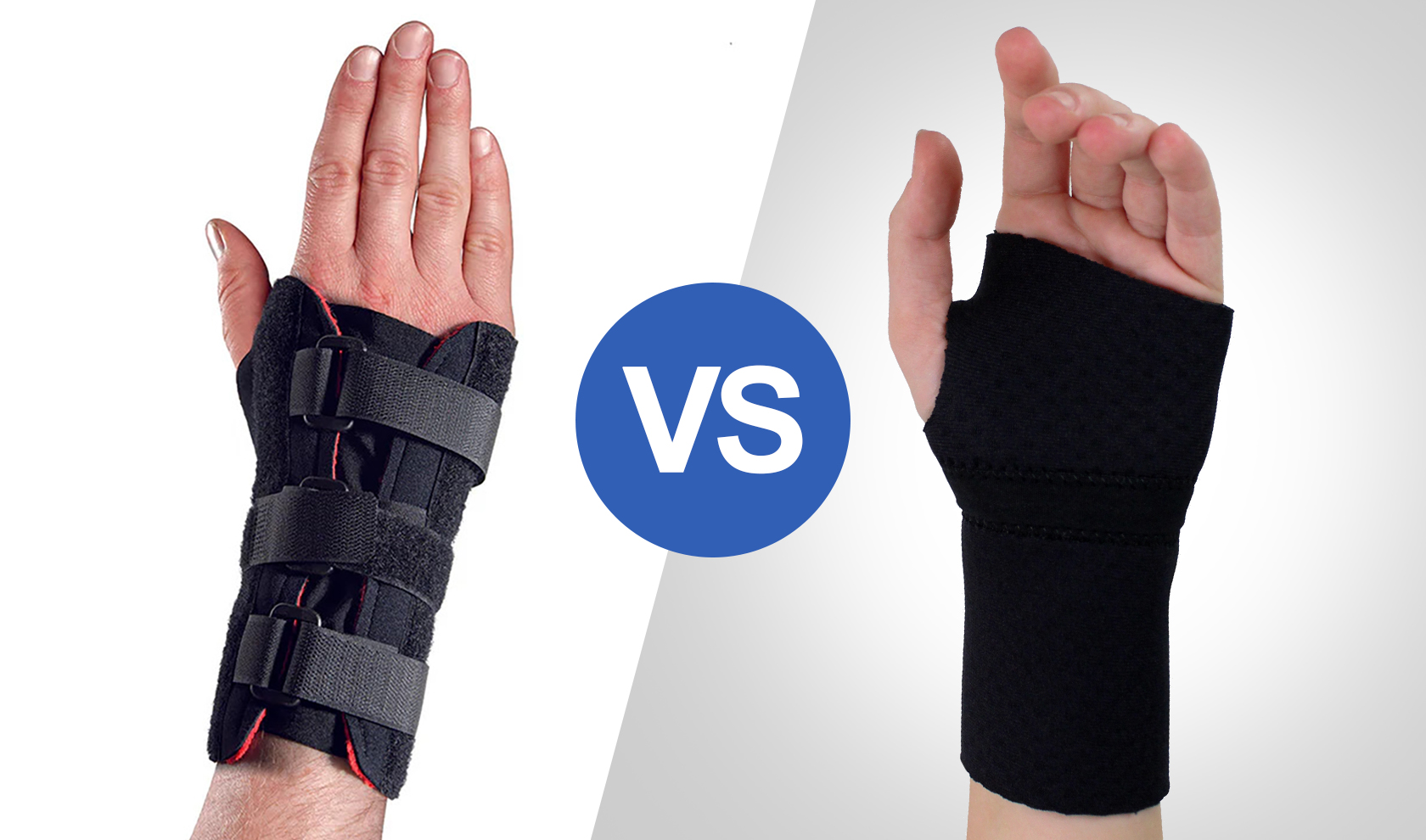
Even the simplest tasks can be challenging due to wrist pain, and it is essential to select the appropriate support. A lot of individuals make the comparison of a wrist brace vs wrist support but not knowing what one suits their condition. Even though they are both designed to provide the same purpose of protection, they do not have the same design, functionality, and support.
The wrist brace is primarily utilized to limit movement and safeguard the joint in a healing process. Conversely, a Wrist provides flexibility, but with light compression which makes it appropriate to use in everyday life. This difference is important because upon knowing about it you are able to select a more effective and comfortable solution.
Understanding the Basics: Wrist Brace vs Wrist Support
The knowledge on how these two options operate assists in making the correct decision. A wrist brace is meant to stabilize the joint and keep the joints immobile during recovery of injuries. Conversely, Support offers flexibility and gentle compression which allows movement and reduces strain in everyday activities.
What Is a Medical Wrist Brace Used For?
A medical wrist brace is a device to stabilize the joint and provide healing in case of injuries or surgery. It holds the wrist still and the stress on the ligaments and tendons is minimized. This can be of great use in applying a left wrist splint or right hand brace to achieve a focused recovery.
What Does a Compression Wrist Support Do?
A Compression wrist support gives the joint gentle pressure to enhance circulation and swelling. It can be used by individuals with minor pain or an unrelenting strain. wrist wrap is being used by many people as an aid to relieve pain during their daily routine such as typing or lifting.
‣ Key Differences in Immobilization and Flexibility
The key distinction between a brace and a support is in their approach to manage movement. A brace restricts the movement to safeguard the wrist in the course of recovery. Conversely, a support provides light compression but is flexible and can be used in daily prevention and comfort highlighting overall wrist brace benefits.
When Should You Use a Wrist Brace Instead of a Support?
The decision between a brace and support will depend on how severe your condition is and how much you need to do in day-to-day activities. Wrist brace can be used in cases where stability, protection and controlled movement is needed during recovery of injuries. But when the pain is mild, fatigue occurs, or when it is a normal stress, a support offers relief, folds, and enough comfort without the necessity of limiting the natural movement of the wrist.
Best Wrist Protection for Carpal Tunnel Syndrome and Tendonitis
Wrist brace will be more effective in relieving and stabilizing such conditions as carpal tunnel syndrome and tendonitis. It maintains the wrist in a neutral position and decreases stress on nerves and tendons. A wrist brace for carpal tunnel can help a lot in relieving pain when resting and sleeping.
Choosing the Right Wrist Gear for Sports, Typing, and Weightlifting
The daily activities are also significant in the choice of the appropriate wrist protection. Professional athletes can use sports-friendly wrist braces that are lightweight, and workers at the office can use flexible braces that can be used during typing. The correct decision enhances performance, decreases strain, and assists in preventing chronic injuries of the wrist.
‣ Signs You Need Rigid Splinting vs Mild Compression
Being aware of your symptoms may help you make a decision on whether you need rigid support or a flexible compression. Severe pain, tenderness, or reduced movement can be managed with the assistance of a brace, and mild pain can be managed with support that will allow the movement and reduce stress.
Here are common signs of wrist tendonitis needing support:
- Persistent or sharp wrist pain
- Limited range of motion
- Recovery after injury or surgery
- Mild fatigue from repetitive tasks
- Occasional discomfort during activity
How to Choose the Right Orthopedic Wrist Protection for Your Needs
The choice of the appropriate wrist protection is determined by your comfort, health status, and lifestyle. Patients at MedraxDME will have good alternatives, both recovery and daily life essentials. Choosing the right option enhances the support, minimizes the load on the wrist, and contributes to long-term joint stability and health, as well as comfort in daily life. If you are unsure about the right option, you can get support from a medical expert for proper guidance.
Essential Factors: Breathable Materials, Sizing, and Comfort
An excellent wrist brace must be crafted of breathable material that allows air to flow through it and is less irritating. It should also be considered to make sure that it is properly sized to provide efficient support. A breathable wrist brace for all day wear improves comfort, which can be worn all day, will be comfortable, especially those who need to wear it most of the time.
Compression Levels and Support Options
Various wrist conditions need a varying degree of compression and support. The compression of light fits the daily stress and greater compression is needed to aid injuries. A pain relief braces is adjustable, enabling the user to regulate pressure and be comfortable during the day.
Why You Should Consult a Local Orthopedic Specialist
Making appointments with a specialist can assist in making sure that you choose the correct product to treat your condition. Professional advice will reduce the risk of misuse and will help to heal faster. It also makes sure that your wrist brace is in line with your long-term health and day-to-day activity requirements.
Where to Buy the Best Wrist Braces and Supports
Selecting a trusted provider guarantees the quality of products, their durability and comfort over time to be used in everyday life. MedRax DME has a variety of wrist solutions that are suitable to various conditions and recovery requirements. Being an online or offline buyer, finding a reliable supplier enhances the customer experience during the purchase process and guarantees effective and stable support in the long-term.
Finding Top-Rated Medical Supply Stores Near You
Local stores can be used to conduct physical inspection and aid with the fitting of the item and help in establishing the appropriate size and comfort level. The in-store help makes the procedure of choosing an object easier and more precise, which could be simpler when novice customers are shown the way in-store.
Trusted Online Retailers for Fast Shipping and Easy Returns
Internet sites are convenient, offer a range of products and enable buyers to compare products easily. They contain specifications and customer feedback, and allow users to select the appropriate orthopedic wrist wrap without stepping into a store and speed up, simplify, and make the process more efficient.
How to Choose a Reliable Orthopedic Supplier
They need to select a reliable supplier so that they can be comfortable and get quality products. A reliable provider will provide transparent information, long-lasting resources and customer service to enable users to make sure decisions.
Before purchasing, look for the following:
- High-quality materials and durability
- Accurate sizing guides
- Easy return and exchange policies
- Responsive customer service
Next Steps for Better Wrist Health and Injury Prevention
To enhance the health of the wrist, one needs regular attention, knowledge and minor changes in their life with time. Even minor adjustments to everyday routine would help to alleviate stress and avoid prolonged issues. With appropriate support and the right habits, people can stay much more comfortable, become more flexible, and prevent injuries that result due to repeating movements or overworking.
Daily Habits to Prevent Wrist Strain
Wrist strain can be greatly eliminated by maintaining a good posture and taking frequent breaks. Another valuable lesson to learn how to prevent wrist strain from typing on the wrist is to those in offices. The joints can be made more comfortable and pressure on them can be decreased with simple stretching exercises and ergonomic measures.
When to Seek Professional Medical Advice
Wrist pain when long-lasting or when it starts to interfere with everyday functions should be medically consulted. Early diagnosis assists in averting severe disorders and the correct treatment of the patient, particularly with nerve pressure, or persistent pain.
The End Note!
To conclude, a better decision on which wrist brace and wrist brace to use will be made with the knowledge of the difference between the two products. Whereas braces offer stability through recovery, supports are flexible, convenient, and preventative on a daily basis.
Both alternatives are significant in enhancing the well-being of the wrists and alleviating pain. The right choice and use can help you be more mobile and avoid injuries, and add to the long-term health of the joints.
FAQS
Can You Wear a Wrist Brace While Sleeping?
Yes, a wrist brace when sleeping can be used to keep the wrist in the correct position, relieve pressure on nerves and eliminate pain, particularly in individuals with carpal tunnel syndrome.
How Tight Should a Wrist Support Be for Joint Pain?
A wrist brace must be tight but not obstruct the blood circulation. It must offer mild compression to minimize pain and swelling whilst enabling painless movement in the daily activities.
Can You Wash a Neoprene Wrist Brace at Home?
Yes, it is possible to clean neoprene wrist braces at home and use mild detergent and cold water. They need to be air dried to preserve their shape, flexibility and durability.