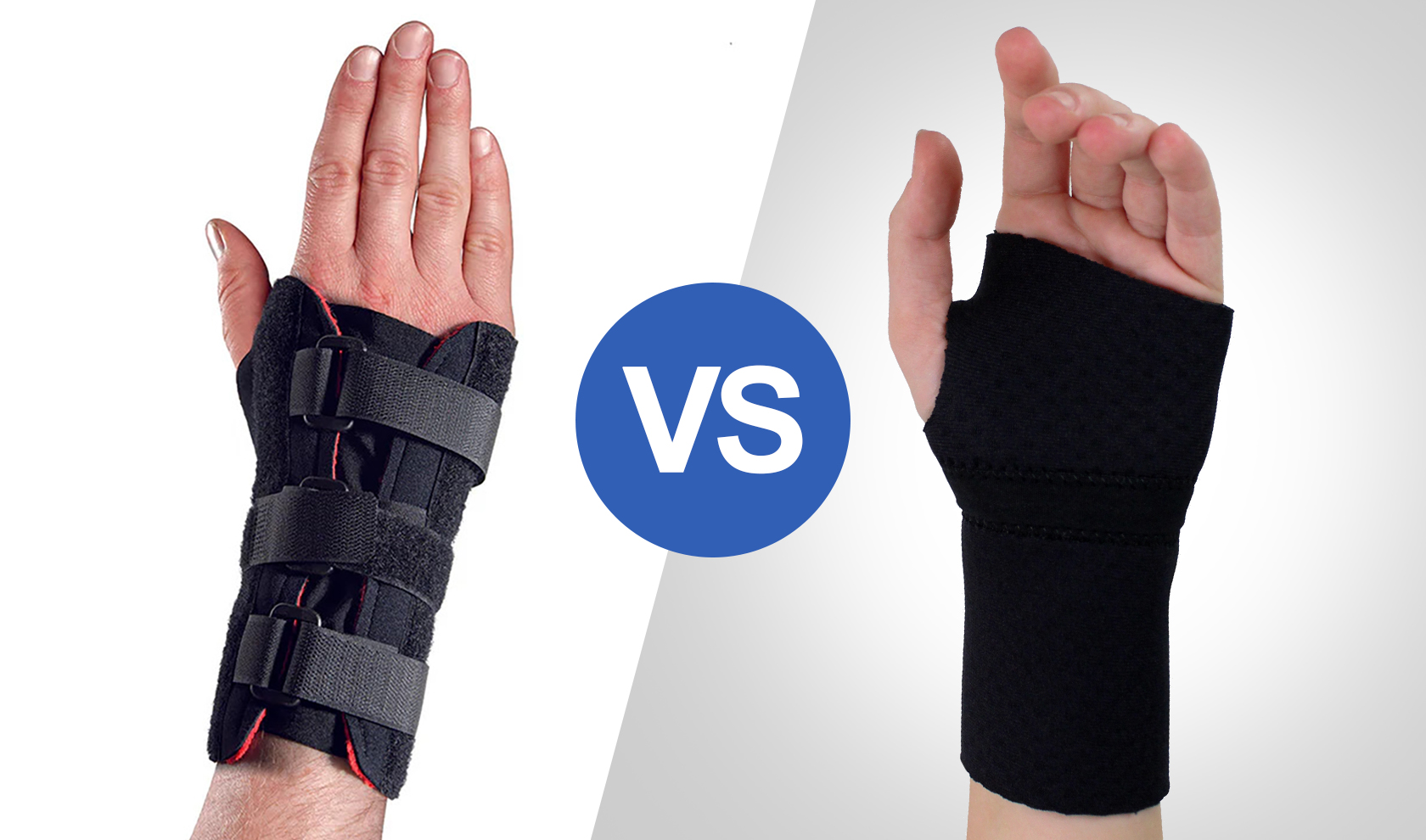
Wrist Brace vs Wrist Support: What’s the Difference?

Even the simplest tasks can be challenging due to wrist pain, and it is essential to select the appropriate support. A lot of individuals make the comparison of a wrist brace vs wrist support but not knowing what one suits their condition. Even though they are both designed to provide the same purpose of protection, they do not have the same design, functionality, and support.

The wrist brace is primarily utilized to limit movement and safeguard the joint in a healing process. Conversely, a Wrist provides flexibility, but with light compression which makes it appropriate to use in everyday life. This difference is important because upon knowing about it you are able to select a more effective and comfortable solution.

Understanding the Basics: Wrist Brace vs Wrist Support

The knowledge on how these two options operate assists in making the correct decision. A wrist brace is meant to stabilize the joint and keep the joints immobile during recovery of injuries. Conversely, Support offers flexibility and gentle compression which allows movement and reduces strain in everyday activities.

What Is a Medical Wrist Brace Used For?

A medical wrist brace is a device to stabilize the joint and provide healing in case of injuries or surgery. It holds the wrist still and the stress on the ligaments and tendons is minimized. This can be of great use in applying a left wrist splint or right hand brace to achieve a focused recovery.

What Does a Compression Wrist Support Do?

A Compression wrist support gives the joint gentle pressure to enhance circulation and swelling. It can be used by individuals with minor pain or an unrelenting strain. wrist wrap is being used by many people as an aid to relieve pain during their daily routine such as typing or lifting.

‣ Key Differences in Immobilization and Flexibility

The key distinction between a brace and a support is in their approach to manage movement. A brace restricts the movement to safeguard the wrist in the course of recovery. Conversely, a support provides light compression but is flexible and can be used in daily prevention and comfort highlighting overall wrist brace benefits.

When Should You Use a Wrist Brace Instead of a Support?

The decision between a brace and support will depend on how severe your condition is and how much you need to do in day-to-day activities. Wrist brace can be used in cases where stability, protection and controlled movement is needed during recovery of injuries. But when the pain is mild, fatigue occurs, or when it is a normal stress, a support offers relief, folds, and enough comfort without the necessity of limiting the natural movement of the wrist.

Best Wrist Protection for Carpal Tunnel Syndrome and Tendonitis

Wrist brace will be more effective in relieving and stabilizing such conditions as carpal tunnel syndrome and tendonitis. It maintains the wrist in a neutral position and decreases stress on nerves and tendons. A wrist brace for carpal tunnel can help a lot in relieving pain when resting and sleeping.

Choosing the Right Wrist Gear for Sports, Typing, and Weightlifting

The daily activities are also significant in the choice of the appropriate wrist protection. Professional athletes can use sports-friendly wrist braces that are lightweight, and workers at the office can use flexible braces that can be used during typing. The correct decision enhances performance, decreases strain, and assists in preventing chronic injuries of the wrist.

‣ Signs You Need Rigid Splinting vs Mild Compression

Being aware of your symptoms may help you make a decision on whether you need rigid support or a flexible compression. Severe pain, tenderness, or reduced movement can be managed with the assistance of a brace, and mild pain can be managed with support that will allow the movement and reduce stress.

Here are common signs of wrist tendonitis needing support:

  • Persistent or sharp wrist pain
  • Limited range of motion
  • Recovery after injury or surgery
  • Mild fatigue from repetitive tasks
  • Occasional discomfort during activity

How to Choose the Right Orthopedic Wrist Protection for Your Needs

The choice of the appropriate wrist protection is determined by your comfort, health status, and lifestyle. Patients at MedraxDME will have good alternatives, both recovery and daily life essentials. Choosing the right option enhances the support, minimizes the load on the wrist, and contributes to long-term joint stability and health, as well as comfort in daily life. If you are unsure about the right option, you can get support from a medical expert for proper guidance.

Essential Factors: Breathable Materials, Sizing, and Comfort

An excellent wrist brace must be crafted of breathable material that allows air to flow through it and is less irritating. It should also be considered to make sure that it is properly sized to provide efficient support. A breathable wrist brace for all day wear improves comfort, which can be worn all day, will be comfortable, especially those who need to wear it most of the time.

Compression Levels and Support Options

Various wrist conditions need a varying degree of compression and support. The compression of light fits the daily stress and greater compression is needed to aid injuries. A pain relief braces is adjustable, enabling the user to regulate pressure and be comfortable during the day.

Why You Should Consult a Local Orthopedic Specialist

Making appointments with a specialist can assist in making sure that you choose the correct product to treat your condition. Professional advice will reduce the risk of misuse and will help to heal faster. It also makes sure that your wrist brace is in line with your long-term health and day-to-day activity requirements.

Where to Buy the Best Wrist Braces and Supports

Selecting a trusted provider guarantees the quality of products, their durability and comfort over time to be used in everyday life. MedRax DME has a variety of wrist solutions that are suitable to various conditions and recovery requirements. Being an online or offline buyer, finding a reliable supplier enhances the customer experience during the purchase process and guarantees effective and stable support in the long-term.

Finding Top-Rated Medical Supply Stores Near You

Local stores can be used to conduct physical inspection and aid with the fitting of the item and help in establishing the appropriate size and comfort level. The in-store help makes the procedure of choosing an object easier and more precise, which could be simpler when novice customers are shown the way in-store.

Trusted Online Retailers for Fast Shipping and Easy Returns

Internet sites are convenient, offer a range of products and enable buyers to compare products easily. They contain specifications and customer feedback, and allow users to select the appropriate orthopedic wrist wrap without stepping into a store and speed up, simplify, and make the process more efficient.

How to Choose a Reliable Orthopedic Supplier

They need to select a reliable supplier so that they can be comfortable and get quality products. A reliable provider will provide transparent information, long-lasting resources and customer service to enable users to make sure decisions.

Before purchasing, look for the following:

  • High-quality materials and durability
  • Accurate sizing guides
  • Easy return and exchange policies
  • Responsive customer service

Next Steps for Better Wrist Health and Injury Prevention

To enhance the health of the wrist, one needs regular attention, knowledge and minor changes in their life with time. Even minor adjustments to everyday routine would help to alleviate stress and avoid prolonged issues. With appropriate support and the right habits, people can stay much more comfortable, become more flexible, and prevent injuries that result due to repeating movements or overworking.

Daily Habits to Prevent Wrist Strain

Wrist strain can be greatly eliminated by maintaining a good posture and taking frequent breaks. Another valuable lesson to learn how to prevent wrist strain from typing on the wrist is to those in offices. The joints can be made more comfortable and pressure on them can be decreased with simple stretching exercises and ergonomic measures.

When to Seek Professional Medical Advice

Wrist pain when long-lasting or when it starts to interfere with everyday functions should be medically consulted. Early diagnosis assists in averting severe disorders and the correct treatment of the patient, particularly with nerve pressure, or persistent pain.

The End Note!

To conclude, a better decision on which wrist brace and wrist brace to use will be made with the knowledge of the difference between the two products. Whereas braces offer stability through recovery, supports are flexible, convenient, and preventative on a daily basis.

Both alternatives are significant in enhancing the well-being of the wrists and alleviating pain. The right choice and use can help you be more mobile and avoid injuries, and add to the long-term health of the joints.

FAQS

Can You Wear a Wrist Brace While Sleeping?

Yes, a wrist brace when sleeping can be used to keep the wrist in the correct position, relieve pressure on nerves and eliminate pain, particularly in individuals with carpal tunnel syndrome.

How Tight Should a Wrist Support Be for Joint Pain?

A wrist brace must be tight but not obstruct the blood circulation. It must offer mild compression to minimize pain and swelling whilst enabling painless movement in the daily activities.

Can You Wash a Neoprene Wrist Brace at Home?

Yes, it is possible to clean neoprene wrist braces at home and use mild detergent and cold water. They need to be air dried to preserve their shape, flexibility and durability.
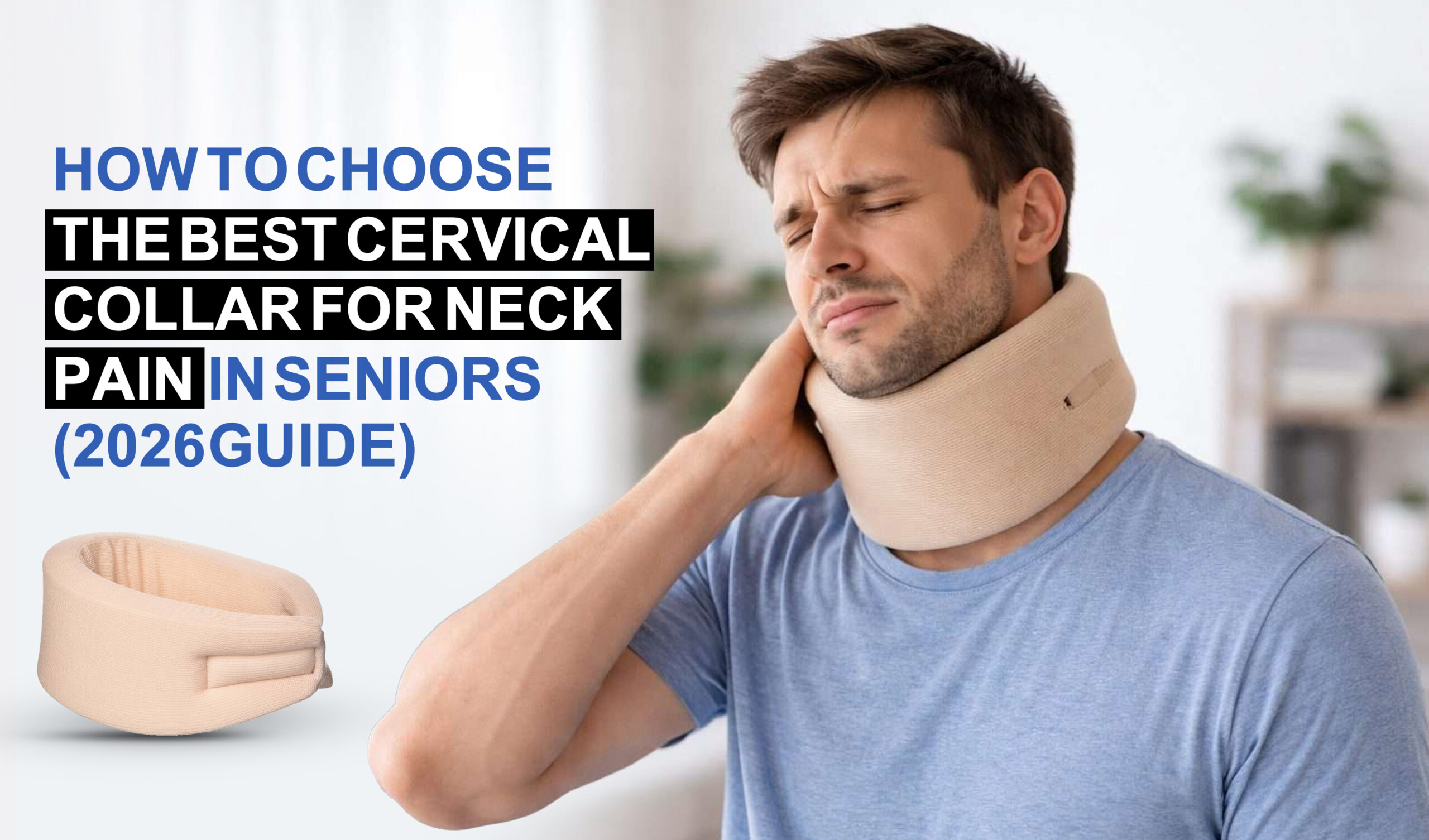

How to Choose the Best Cervical Collar for Neck Pain in Seniors (2026 Guide)

Neck pain affects many seniors making it difficult and uncomfortable to carry out their daily activities. A Cervical Collar is worn to reduce the pressure on the head by holding the head up, keeping it straight. It is crucial to select the right one to be comfortable and healed. In MadrexDME, this guide assists you to get an appropriate, trustful alternative to the needs.

Understanding Severe Neck Pain in Older Adults

With aging, the neck becomes weak due to constant strain resulting in endless pain. Knowing causes can be used to control and minimize discomfort.

What Causes Severe Neck Pain as You Age?

Neck pain in elderly people is caused by a variety of medical causes. Wearing off the joints is one of the reasons. This is commonly referred to as arthritis. The other cause is when the flatteners of your bones become flat. This makes the bones rub against each other. Occasionally, a nerve is pinched and this sends pain to your fingers. The recommendation of MedRaxDME is to have a checkup so that you can determine what problem is making you feel pain. Understanding the cause will assist you to choose the support.

How Aging Affects Cervical Spine Health

The top of your back has seven small bones that comprise your cervical spine. With time these bones may become weak. The muscles that support your neck become easily tired as well. In the event that the muscles are fatigued, the bones must work harder. This causes additional pain and stiffness. This is assisted by a cervical collar that provides the exhausted muscles with a break. It maintains a safe position of your head to allow your spine to remain healthy and strong.

Types of Cervical Collars for Senior Neck Support

Neck braces are of various types depending on the requirements. You have to choose the one that corresponds to your degree of pain.

‣ Soft Foam Collars for Mild Arthritis Relief

Soft foam collars offer gentle support for daily use. The procare cervical collar is a top choice that stays cool while helping you keep your neck straight at home.

‣ Rigid Neck Braces for Post-Surgery Recovery

Rigid braces use hard plastic to stop all movement. These are vital after surgery to keep your neck still. They provide the best safety for your bones while you heal up.

‣ Semi-Rigid Collars for Posture Correction

Semi-rigid collars are made up of flexible and rigid materials combined to provide moderate support. Back Brace can be used in correcting posture by manipulating the neck to correct its position. The forward head posture relaxes the neck and shoulder strain, has been found to be more comfortable and lessens tension in the neck and shoulders among the elderly.

Key Features to Look for in a Senior-Friendly Neck Brace

Buying a brace from Madrex DME means looking for specific details. Not every brace is built for the needs of an older adult. You must have something that is simple to operate and highly comfortable.

‣ Prioritizing Skin Sensitivity and Breathable Materials

Senior skin is also very thin and easily irritated. A brace made of soft breathable fabric should be sought. When it is too itchy, you will not feel like wearing it. Air can get to your skin, and this is due to breathable fabric. This will not allow you to be overly sweaty or have a rash. This is normally best with high-quality foam.

‣ Easy Adjustable Closures for Arthritic Hands

  • Find big Velcro tabs, which can be manipulated with fingers.
  • Braces that have small buckles or hooks which demand a lot of strength should be avoided.
  • Make sure that the straps are not too short that you have to stretch your arms.

‣ Finding the Right Size for Maximum Comfort

Size is the most important part of a brace. If it is too small, it will pinch your skin. It will not keep your head up in case it is too big. You should determine the length of your neck and the circumference around your neck. Most products have a guide to help you pick a small, medium, or large size. If you are confused about your size, you can contact us for expert advice.

‣ Ensuring Proper Support Without Restricting Movement

A good brace should support you but still let you breathe and eat. It should sit firmly under your jaw. It must not be so big as to push on your ears. You do not want to be held, but bound. It is a good idea to test the fit when standing and sitting.

‣ Lightweight Design for Daily Wear

A heavy brace will cause your neck to hurt even more. Current designs incorporate very light materials that do not provide any additional weight just like our Vertaloc Dynamic Knee Brace. You would like to feel that the brace is assisting you to support your head, not carry the weight. A lightweight Cervical Collar is much better for long days.

How to Wear a Cervical Collar Correctly

When a brace is not put on correctly, it might even hurt more. There are correct procedures to be taken to ensure it works.

Step-by-Step Guide to Putting on a Neck Brace Independently

  1. Make sure that you stand in front of the mirror so that you can see your neck.
  2. Position the center of the brace, right beneath your chin.
  3. Wrap the sides round your neck and trope the Velcro on the back.
  4. Test to ensure that your chin is on the support flat.

‣ Positioning the Collar Around the Neck

The collar is to be level. It must not be inclined towards one side. Ensure that the bottom of the brace is on your collar bone. This provides the brace with a stable foundation.

‣ Adjusting the Chin Support for Proper Alignment

The curved part should have your chin placed in its centre. Your eyes should be looking straight ahead at the mirror. If you are looking up or down, the brace is not on the right.

‣ Securing Velcro Straps Without Over-Tightening

The straps must be tight but not tight. You should be in a position to breathe comfortably. One good rule is to ensure you are able to place two fingers on the top of the brace.

Sleeping with a Neck Brace Safely

In case your doctor tells you that you have to wear it at night, you have to have a plan. Sleep on your back, with a very flat pillow. This maintains your neck straight to your spine. The brace will ensure that you do not injure yourself in case you move a lot during your sleep.

Tips to Prevent Stiffness While Wearing a Collar

Always wearing a brace may cause stiff muscles. Have a little break after every few hours. Unless it hurts, then raise your arms slowly up and down. This maintains the circulation of blood to your neck. Do not remain in the same position with your body.

Comparing Top-Rated Cervical Collars for Seniors in 2026

Today there are numerous choices. Which one to pick is up to you and your life everyday.

Best Overall Soft Collars for Daily Wear

The ProCare Universal Clinic Cervical Collar is the best in 2026. It is highly cost-effective and long lasting. The foam is firm enough to help but soft enough to sleep in. It is a great first step for anyone dealing with new neck pain.

Most Comfortable Options for Sensitive Skin

Another good option is Thermoskin Neck Support. It employs special technology to warm up the area. This warmth assists the muscles in relaxing and does away with the ache. Its interior is covered in a most accommodating material which will not rub your skin. A lot of the senior aged individuals like the neck support thermoskin to be worn during a car journey.

Best Support Braces for Long-Term Use

If you have a chronic condition, you need a brace that will not fall apart. The products at MedRax DME are built to last. They incorporate quality materials which maintain their form months long.

When and How Long Should Seniors Wear a Neck Brace?

A brace is the device to aid in healing. It is not intended to be a permanent coat.

When Should Seniors Stop Wearing a Cervical Collar?

You should stop wearing it when your doctor says your neck is strong again. As the pain subsides, you will be able to wear it less time a day. This will assist your muscles in getting acclimatized back to working on their own.

Risks of Overusing Neck Braces

When you wear a brace too often, your muscles may become very weak. They will forget how to hold up your head. This can lead to more pain in the future. Always balance using the brace with gentle movement.

Where to Buy Medical-Grade Cervical Collars

Source matters! Counterfeit braces flood online marketplaces, using substandard foam that compresses permanently within days.

Choosing the Right Source and Fit for a Cervical Collar

Find certified DME vendors to guarantee appropriate fitting and quality support. Madrex DME connects you with certified professionals for accurate measurements and trial fittings. While online options offer variety, in-person visits to Contact MedRax DME help avoid sizing issues. Custom collars provide precise support for complex conditions and may be insurance-covered.

The End Note!

Choosing the right support can change your life. The cervical collar uses is a superb means of pain management and retaining independence. To resume the things that you love, you can pick a comfortable and high-quality brace. MadrexDME takes pride in offering the means to a healthy 2026.

FAQs

How long should seniors wear a neck brace?

The majority of physicians recommend to wear one 1 to 3 hours a time. The total use normally takes a couple of weeks before the pain subsides.

What is the best position for neck pain relief while sleeping?

The best position is that of sleeping on your back. It maintains your neck straight in relation to your spine and it does not twist.

How to wear a cervical collar correctly?

Put the foam around and the chin rests under your chin. Tie it at the back such that it fits tight yet comfortable.

How tight should a neck brace be?

It should be firm enough to stop your head from tilting. You should still be able to swallow and talk without any trouble.

What is the best breathable cervical collar material?

Cotton and open-cell foam are the best materials. They allow air to circulate and keep your skin dry all day long.


Best Hospital Beds for Home Care Patients in 2026

Home care is a serious matter, and one of the most significant choices which a person makes is to choose the correct Hospital beds for home use 2026 care has also evolved and can provide solutions that are focused on patients to enhance their comfort, safety, and recovery without being unnecessarily complex. In addition, families have been empowered to consult reliable providers such as MedraxDME to assist them in deciding on the most appropriate Sleepers to use at home 2026, so that they can recover in a safe and comfortable setting.

What Are the Best Hospital Beds for Home Care in 2026?

Discussing the possibilities, one can notice that the Best Restunits to use in home care are the ones that would strike the balance between comfort and functionality so that patients and those who will provide care to them would enjoy better usability and support. Innovative designs are also valuable towards minimizing the chances of injury and improving the quality of recovery.

Key Features to Look for in a Home Care Hospital Bed

Knowledge of the crucial Features of hospital beds for home care will play a vital role in making a decision that will meet the comfort, safety, and medical needs of the patient.

‣ Adjustable Height and Positioning for Patient Comfort

One of the greatest benefits of Adjustable hospital beds for home care is that their functionality can be used to prop against various postures to enable the patient to sit, rest or sleep comfortably and relieve the caregiver-burden. The feature is very useful especially to patients who have low mobility.

‣ Safety Features: Rails, Brakes, and Anti-Slip Surfaces

Home use of built-in safety features in Care Beds is an important element in the daily care routine of reducing risks and maintaining a stabilized environment in the process of recovery. Falls are avoided by means of correctly fitted rails and brakes and caregivers can rest.

‣ Mattress Options: Pressure Relief and Support

The selection of the appropriate surface is significant and Hospital bed mattress options for pressure relief assist in eliminating pain and enhancing circulation during prolonged time of rest. The mattresses are particularly handy with regard to bedridden patients or those who have undergone surgery.

Types of Hospital Beds for Home Use

The needs of various patients vary, and that is why it is important to choose the type of bed by depending on the medical needs and lifestyle choices at home.

‣ Manual vs Electric Hospital Beds: Which Is Better?

Whereas Manual hospital beds are cheap and easy to use in home care, Electric hospital beds for home use are the choice among the many families since they have more adjustments and are easy to use particularly where there is prolonged care.

‣ Bariatric Beds for Heavier Patients: Features and Benefits

Bariatric hospital beds for home use are an ideal solution to offer additional support to patients with higher levels of durability and larger frames, which guarantee its safety and comfort over time. Key benefits include:

  • Reinforced frame and mattress for heavier weights
  • Extra-wide design for patient mobility
  • Enhanced stability for safety

‣ Pediatric Hospital Beds for Home Care: What to Know

Home care Pediatric Bedding is constructed with extra safety and comfort when taking care of children. There are Pediatric hospital beds with fun designs, and which may help in establishing a friendly and comforting atmosphere in young patients.

How to Choose the Right Hospital Bed for Home Care Patients

It is important to evaluate well before making the right decision, and the book, How to choose a hospital bed for home care, helps the family to do well on balancing comfort, safety and practicality. Visit the Blog to acquire more information and professional tips, as informative materials about home care, equipment choice, and patient safety are regularly published in the Blog.

Factors to Consider When Buying a Hospital Bed for Home Use

It is necessary to take into consideration a number of factors that can be used to determine both the comfort of patients and their long-term usability in the home setting before acquiring it.

‣ Patient Needs: Mobility, Comfort, and Medical Conditions

Hospital beds offer suitable support to patients throughout the recovery process, consequently, patients who are recuperating post-surgery are always considered to use a hospital bed in their homes. Patient independence is also supported by mobility and adjustable characteristics.

‣ Room Size and Space Requirements for Hospital Beds

In smaller households, the Compact hospital beds for small spaces makes a good choice of better positioning with easy movements without losing its ease of access. With good planning, caregivers are not hampered and the environment is safe.

‣ Budget-Friendly Options Without Compromising Quality

On one hand, the needy families can access Affordable hospital beds for home use.

Med Beds which can be used at home and, on the other hand, can pay for the hospital bed by using the other alternatives, which will help them in covering their expenses. Price should not be compromised to quality and durability.

Comparing Top Hospital Bed Brands in 2026

A comparison of Hospital bed brands comparison will enable families to get a better understanding of quality, durability, and performance differences before making a final purchase. Reliability of the brand allows satisfaction over the long-term and low maintenance.

‣ Best Electric Hospital Beds for Home Care

Hospital beds with remote control features, has become easier to change hospital bed positions without needing to strain physically by patients and those who attend to the patient. Some models even have programmable settings for preferred positions.

‣ Affordable Manual Hospital Beds for Home Use

Manual beds still remain a viable contention with short-term care and provide a reliable but not overly complex alternative. They suit perfectly those families that require a practical bed that will not have sophisticated features.

‣ Premium Hospital Beds with Advanced Features

In cases of advanced care, advanced beds are available with high-tech services to facilitate automation and better monitoring and further help patients and make them comfortable.

 Features such as:

  • Weight sensors for safety
  • Tilt adjustment for pressure relief
  • Integrated monitoring for caregivers

Where to Buy Hospital Beds for Home Care in 2026

The selection of a supplier is as significant as the selection of a bed because it is a guarantee of quality, reliability, as well as the provision of continuous support.

Best Online Stores for Hospital Beds

Most families today would want to purchase Folding Beds online due to the ease of comparison, availability of reviews and the ease of identifying the best alternative. There are also exclusive offers and deals that are offered online during shopping.

‣ Comparing Prices and Reviews of Top Retailers

The review of feedback can enable buyers to locate the Top-rated hospital beds for home care patients so that they may make more informed choices, based on actual experience.

‣ How to Find Discounts and Deals on Hospital Beds

In a bid to contain the costs, other families contemplate renting Bedding as a short-term home care particularly when the care is temporal or based on recovery. Rental is a flexible option that does not involve being bound by the high purchase rates.

Local Suppliers for Hospital Beds Near You

Local hospital bed suppliers near me can assist the families in locating the ones that are in the area and can deliver the goods in a shorter period and with a more personalized approach. The local support will provide timely services and warranties.

‣ Benefits of Buying Hospital Beds Locally

Local buying usually guarantees enhanced communication, faster support, and simpler maintenance services particularly in case of long-term care provisions. The families have the advantage of face-to-face guidance and demonstration before buying.

Tips for Caring for Patients at Home with a Hospital Bed

The care given at home must be attended to, patients must have patience and use the equipment appropriately making the recovery experience to be safe and comfortable.

How to Ensure Patient Safety and Comfort

Using beds with anti-slip rails for safety helps reduce fall risks while maintaining a secure and stable recovery environment. Correct installation and routine checks are essential for ongoing safety.

Accessories to Enhance the Functionality of Hospital Beds

Adding the Best hospital bed accessories for home care can significantly improve convenience and daily usability. Useful additions include:

  • Overbed tables
  • Support rails
  • Cushions and wedge pillows

Common Mistakes to Avoid When Using a Hospital Bed at Home

Not attending to the maintenance of a hospital bed or setting it up in the wrong way may cause safety concerns thus it is imperative to adhere to appropriate guidelines in order to use it in the long run. Periodic inspections will avoid mechanical breakdowns and minimise accidents.

The End Note!

In conclusion, selecting the appropriate Sleepers is important in the process of providing safe, comfortable, and effective home care. Patients can now heal more autonomously and with dignity with the current developments and careful design. MedraxDme continues to support families with reliable solutions and expert guidance throughout their care journey.

FAQS

Can Medicare or Insurance Cover the Cost of a Hospital Bed?

Yes, Medicare hospital bed coverage may apply if prescribed and medically necessary for home care use.

How Do I Set Up a Hospital Bed at Home?

Follow proper steps when Setting up a hospital bed at home to ensure safe placement and correct functionality.

What Are the Maintenance Requirements for Hospital Beds?

Regular cleaning and Maintenance tips for hospital beds help ensure safety, durability, and long-term performance.


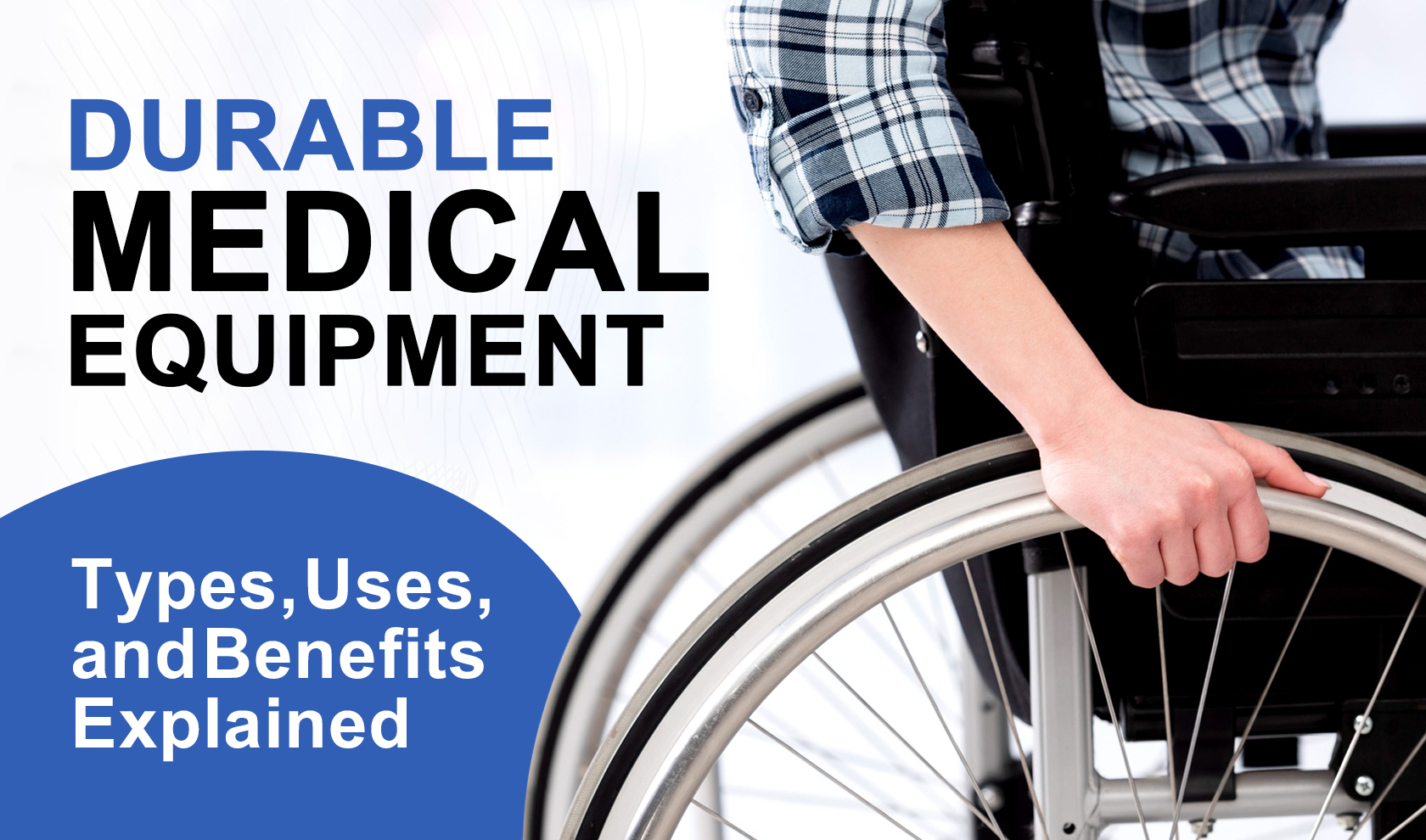
Durable Medical Equipment: Types, Uses, and Benefits Explained

Home recovery is facilitated when the appropriate support tools are in place. A lot of patients receive the treatment beyond hospitals and Durable Medical Equipment enables them to remain safe and comfortable. Such devices allow mobility, daily care and health monitoring. Reliable partners such as MedraxDME instruct the families on selecting effective equipment that can enable recovery and independence.

What Is Durable Medical Equipment (DME)?

Hospital stay is not always the option when it comes to medical care. Numerous patients are treated at home in the process of recovery or chronic illnesses. Home-based medical equipment can serve to maintain the comfort of such cases to support the daily activities and enable the patients to continue with their treatment safely.

Definition Of Durable Medical Equipment: What Qualifies As DME?

Physicians usually prescribe tools that help the patient in the recovery process or in the process of continuing his treatment. These tools, such as mobility aids, breathing equipment, monitoring equipment, and Braces, can be prescribed which will help the patient to continue his day-to-day activities and easily cope with daily tasks.

Why Is Durable Medical Equipment Important In Healthcare?

Patients are readily able to rehabilitate at home where they are well known. Their mobility, health observation and independence is supported by medical devices reducing the unnecessary visits to the outpatient hospital and making their lifelong experiences and the overall treatment result more comfortable.

Common Misconceptions About Durable Medical Equipment

Other individuals think that the tools are used exclusively by older adults. Nevertheless, the supportive equipment may be required by patients of various ages. As an example pediatric tools could be needed by children with particular medical requirements according to their safety and comfort.

Types of Durable Medical Equipment: A Comprehensive Guide

The home-based medical equipment encompasses numerous varieties of devices that have a particular purpose. There are those that assist patients to move safely and those that help in checking health conditions or aiding in recovery. With the knowledge about these categories, families can select the appropriate tools to use in day to day care.

Mobility Aids: Wheelchairs, Walkers, And Scooters

The mobility Devices assist individuals to walk securely when walking is hard. These aids are usually suggested as assistive technologies among the elderly, but younger patients who experienced an injury can use them as well. Mobile aids can also be used and they include:

  • Wheelchairs for long-distance mobility
  • Walkers that provide balance and stability
  • Scooters designed for independent movement

These devices help patients stay active and reduce the risk of falls.

Respiratory Equipment: CPAP Machines, Oxygen Tanks, And Nebulizers

Breathing facilitates respiration among ventilatory patients in the maintenance of air and oxygen levels through respiratory apparatus. The CPAP machine, oxygen tanks and nebulizers help in the lung conditions which allow the lungs to breathe steadily during the treatment and recovery process.

Home Care Equipment: Hospital Beds, Lifts, And Commodes

There are patients who require additional assistance at home. Home adjustable beds, patient lifts, and bedside commodes allow caregivers to attend with elderly patients without any undue stress.

Monitoring Devices: Blood Pressure Monitors And Glucose Meters

Patients can monitor their health at home with the help of monitoring devices. These instruments assist in the identification of changes at an early rate and aid in the enhanced management of health. Many patients use:

  • Blood pressure monitors for heart health tracking
  • Glucose monitoring systems for Diabetes care

For example: modern monitoring tools like Dexcom G6. Allow patients to track glucose levels continuously at home, providing real-time data to manage diabetes more effectively.

How to Choose the Right Durable Medical Equipment for Your Needs

The choice of equipment can be a significant process of running healthcare at home. This decision should be made by taking into consideration the medical needs in addition to the everyday lifestyle by the patients and their caregivers. The process can be made very easy with the right direction.

Factors To Consider When Selecting DME

Several factors help determine which equipment is most suitable. Patients should consider the following points when choosing devices:

  • Doctor recommendations and prescriptions
  • Comfort and ease of use
  • Safety features for home environments
  • Long-term durability and maintenance

Learning how to choose the right medical equipment ensures that the selected device supports both recovery and daily living.

How to Assess Quality And Durability In Medical Equipment

Fine quality equipment has to be dependable, long lasting, and easy to serve. Materials are durable and the design is simple which points to long-term performance. The services such as MedraxDME allow patients to determine the quality and prescribe equipment that will keep them comfortable and safe everyday.

Benefits of Using Durable Medical Equipment

There are a number of benefits associated with Medical Equipment for Home Use. Such tools assist patients to have better control over their health besides ensuring their safety and comfortability in the course of recovery.

Enhancing Mobility And Independence For Patients

Mobility devices allow the patients to move safely and remain active. A method of recovery is with the help of supportive devices such as braces. To take an example, such an ad is Adjustable Wrist Hand Brace Left Hand in the Braces, which helps prevent joints and strain.

Improving Quality Of Life Through Assistive Devices

Assistive devices contribute to making life comfortable because they can help patients sit correctly and decrease pain. As an illustration, the Comfortland Universal Shoulder Abduction Pillow helps in proper positioning of the shoulder during the recovery.

Cost Savings And Insurance Coverage For DME

Medical equipment is expensive, and a lot of the patients are subsidized. Certain products are eligible under Medicare or commercially-provided insurance and assist families in better affording the healthcare costs.

How DME Supports Caregivers In Home Settings

Caregivers tend to rely on enabling technologies to help patients safely. Adjustable beds, mobility aids, and monitoring devices are some of the equipment that eases physical exertion and simplifies day to day care. Such solutions are useful to families taking care of long-term care.

Where To Buy Or Rent Durable Medical Equipment Near You

It is extremely important to have a reliable supplier when purchasing or renting medical equipment. Quality providers offer quality and safe products, provide good tips, and give reliable services, and thus the patients and caregivers will identify the right equipment with ease.

Finding Reputable DME Suppliers In USA

Many people search online for DME suppliers near me when looking for medical equipment. Experienced providers like MedraxDME offer a wide selection of products including Devices, monitoring systems, and supportive Footwear designed to improve comfort and mobility.

Online vs Local Stores: Pros and Cons Of Buying DME

Online and local stores are good at purchasing equipment. Online stores are convenient and diverse whereas local stores allow patients to see items physically. These alternatives assist the families to locate cheap medical equipment to use at home.

Tips For Comparing Prices And Reviews Of DME Providers

Comparing the quality of products, warranty, and customer reviews can help before one buys equipment. By learning of the cost of medical devices and seeking the assistance of credible providers like Medrax DME Deals, the patients will be in a position to obtain credible products at reasonable prices.

The Future Of Durable Medical Equipment: Trends And Innovations

There is continuous improvement of healthcare technology making medical equipment more efficient and user-friendly. The innovations assist patients to monitor their health with more precision at home, aid in the effective administration of treatment, the everyday treatment and in the comfort and independence.

How Technology Is Transforming Durable Medical Equipment

Digital features have now been introduced in modern devices to facilitate the monitoring of crucial information in regard to health. Devices such as Freestyle Libre 2 Reader allow patients to track glucose level continuously at home. such advancements enable patients to exchange health information with physicians and have superior advice when undergoing treatment.

The Role of AI and IoT In Modern Medical Devices

Intelligent technology is slowly finding its way into healthcare equipment. There are also devices that are linked with mobile applications and healthcare systems, which enable doctors and caregivers to use them to check the condition of patients remotely.

Emerging Trends In Sustainable And Eco-Friendly DME

The manufacturers are paying more attention to ecological designs. Most of the devices are made out of durable materials and energy saving technology to minimize wastage and enhance product life.

The End Note!

In conclusion, Medical devices are important in helping a patient to perform healthcare in their residence. These aids help in movement, security and self-reliance in the healing process or long-term care. With support and direction of trusted providers such as MedraxDME, patients and families will be assured with an opportunity to know which equipment enhances comfort, facilitates treatment, and bolsters day-to-day wellbeing.

FAQS

Is Durable Medical Equipment Covered by Insurance or Medicare?

Devices that are prescribed by a physician may be covered by Medicare.

How Do I Maintain and Clean My Medical Equipment?

Consult the instructions of the manufacturers to understand how to clean and maintain medical equipment safely.

Can I Rent Durable Medical Equipment Instead of Buying It?

Yes, there are a lot of suppliers who rent. Renting and buying medical equipment: this knowledge will enable patients to settle on the correct alternative.

What Are the Legal Requirements for DME Suppliers?

Healthcare regulations are adhered to by trusted companies like the MedraxDME to provide safe and certified equipment.


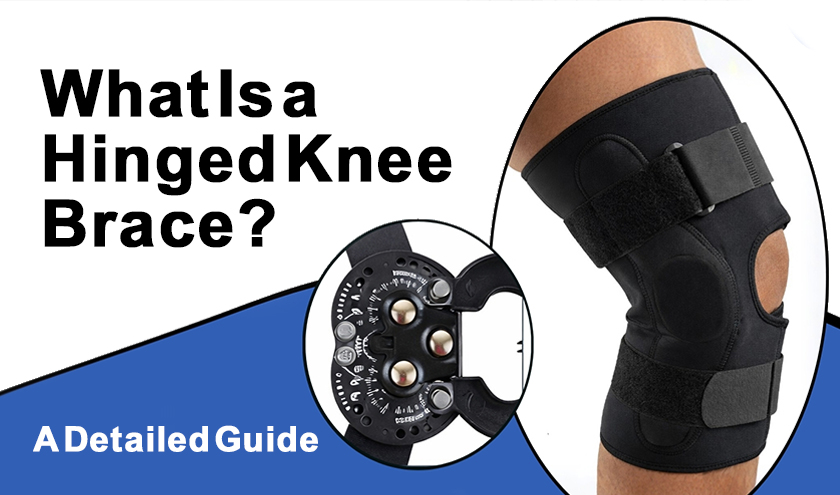
What Is a Hinged Knee Brace? A Detailed Guide

Balance, mobility, and confidence are subject to major impact as a result of knee instability. Even exercises as simple as walking, climbing stairs, or rising, which seem to be a chair, could be risky, painful or unpredictable. A Hinged Knee Brace is a structured aid that offers stability to achieve the weakened ligaments with a natural movement controlled. We lead the patients, caregivers and providers to choose braces that fulfill the medical guidance, comfort requirements and lifestyle demands at Madrex DME. With proper instructions, the patients will be prepared to and capable of regaining their freedom, confidence, and mobility without the threat of injuries in their daily life and after the surgical rehabilitation.

How a Hinged Knee Brace Supports Your Knee

It is an orthopedic gadget that is very well constructed and it helps to stabilize the knee joint with mechanical hinges. These braces regulate the side to side movement, but leave forward and backward bending. They offer organized assistance to safe movement by eliminating the strain on ligaments, protecting recovering tissues, and adverse injury. Patients are usually empowered to report that they have more confidence in doing daily routine tasks like walking, climbing the stairs or mild exercising.

The MadrexDME makes sure that each brace is fitted correctly with regards to the condition of the patient, his lifestyle, and what the physician recommends.

How Hinged Knee Braces Work

Hinged braces are designed to regulate the side movement with strong side hinges and an adjustable strap to hold the device on the leg. They are particularly useful when it comes to ACL, MCL, or meniscus injuries and take the strain off the healing ligaments. Patients can be able to move safely again by being directed and their joints are not affected in the process of regaining mobility. Heavy usage in the course of rehabilitation facilitates systematic healing and lowers the chances of re-injury to a considerable degree.

Key Components of a Hinged Knee Brace

The majority of hinged braces are a combination of sturdy and adjustable straps, and breathable sleeves to ensure maximum comfort and adjustability. Such models as the Thermoskin® Hinged Knee Brace ROM have range-of-motion leg adjustments to regulate bending during recovery. The features provide patients with a feeling of stability, protection, and flexibility and increase the adherence and trust in everyday or after-surgical tasks.

Side Hinges and Their Role in Stability

Side hinges inhibit injurious lateral displacement that may either overstrain ligaments or aggravate injury. Hinged braces are used to preserve ACL, MCL and meniscus tissues by reducing side-to-side motion and allowing natural forward bending. Patients frequently report that unexpected instability or knee giving way events become much less frequent and they feel safe and more confident in their daily movements.

Straps, Sleeves, and Materials for Comfort

The brace is designed to be tightly fitted with adjustable straps that do not obstruct the circulation and breathable sleeves make the brace comfortable when worn over a long period of time. Materials are selected in a manner that causes less skin irritation and flexibility in nature to ensure that the patients can wear it during daily activities or physical rehabilitation without experiencing any kind of discomfort.

Benefits of Using a Hinged Knee Brace

Hinged knee brace can be used to not only provide structural support to a patient but also stability, safety, and confidence in those who are post-injury or surgery. These braces can assist the patients in restoring their mobility, avoiding additional injury, and feeling safe in their everyday life as they direct the movement of the knee and support it against injurious forces. Hinged braces are an effective rehabilitation and chronic knee management tool, with support, both physically and psychologically.

Key Benefits:

  • Precludes sudden knee collapse Stabilizes the knee, minimizing buckling or giving way with movement or walking.
  • Hinged knee brace benefits the stability during walking, up the stairs or minor exercise – Helps with the natural movement and ensures controlled protection of the activity.
  • Relaxes fear of reinjury – Gives the patients an assurance that the knee is safe, making them move with more confidence.
  • Enhances everyday mobility – Allows patients to safely complete everyday activities promoting a sense of autonomy and comfort.
  • Offers psychological assurance – especially when it comes to being after surgery or when one is experiencing chronic instability, it helps alleviate anxiety and promotes well-being on the whole.

It provides patients with safety in movements and protects the healing tissues by supporting them both mechanically and mentally.

Types of Hinged Knee Braces

Knee injuries do not all need the same support, and the choice of the brace is critical to the recovery, comfort, and protection of the joint. Stability is achieved, reinjury is avoided and facilitates the rehabilitation process using a well-selected hinged brace. MadrexDME pays close attention to conditions of every patient, their lifestyles and medical needs so as to suggest the best and effective knee brace.

Single vs Double Hinge Brace

Single hinge braces provide moderate lateral support to mild cases of instability and thus can be applied in early-stage recovery or minor injuries to the ligaments. Braces with double hinges are more reinforced and that is of great importance especially in cases of ACL or MCL injury where rotational control is highly needed. They provide complete safeguarding when it comes to physical exercise and recovery.

Rigid Vs Soft Hinged Knee Brace

The soft braces can be described as flexible and moderately stabilizing, which enable them to be used on a daily basis and the user moves without limitation. Instead, rigid braces are the most protective in terms of structure, and are commonly used following surgery or in cases of severe ligament rupture. Rigid designs are most beneficial to the patients who require post-surgery immobilization.

Specialized Braces for Sports and Rehabilitation

Sports or dynamic braces enable movement to be controlled and keep joints stable. The VertaLoc® Dynamic Knee Brace  offers lateral stability but encourages safe movement during regulated physical exercises. Extreme sportspeople and athletes have the option of getting braces that are meant to give them protection and performance, thus being able to resume their duties with confidence.

Who Should Consider a Hinged Knee Brace

Hinged knee brace is recommended in patients who have undergone surgery or have a rupture of the ligaments, chronic instability or those who have high-risk activities. MadrexDME pays special attention to the assessment of the medical condition, daily life, and other activity needs of every person so that the chosen brace could be able to support, provide stability, and confidence during the rehabilitation process as well as in day-to-day movement.

Common Knee Injuries Requiring Support

Knee injuries ACL tear, MCL tear, and meniscus injuries are common and may require structured support. Hinged knee brace restrains injurious lateral rotation, protects recovery tissues, and offers a controlled stabilization that allows patients to resume their activities safely, gain confidence in their daily activities, and assists in recovery through the gradual and useful process.

Arthritis and Chronic Instability

Out of line, uneven distribution and instability of knees can be brought about by osteoarthritis and degenerative joint disease and make any movement painful and dangerous. Straight knee posture, alleviating pain, and stability can allow the patient to move around freely without even a single fear, proceed with his or her daily chores, and can remain active during the recovery or even during long-term care.

Athletes vs Everyday Users

They are used by athletes to help them lower the chances of reinjury on training or sports. The everyday users with older adults or those who stand a lot benefit by lowering joint stress, increasing their balance and confidence in their walking. Bracing enables the two groups to be safely back to normal activity.

Tips for Gradual Rehabilitation and Safe Mobility

Injury or surgery on the knee: it should recover gradually, with a hinged knee brace on. Start by taking short walks or any other forms of light exercises by ensuring that the brace is properly positioned and ensuring that it is fixed into place. Progressively develop the strength and time span of activities, including climbing up the stairs or light exercises and note pain, swelling, or instability. Brace can help in enhancing mobility safely with the help of physically prescribed physical therapy or strengthening exercises. Your body always listens, and do not overdo it too fast, regulated progress will save the healing ligaments and joints.

Benefits of Using a Hinged Knee Brace

Hinged knee braces have much more than mere support. They improve the firmness of joints, improve mobility, reduce pain and protect the weak or recovering ligaments. These braces help patients be more confident, free and generally experience high quality of life by providing structured reinforcement in carrying out day to day activities or in rehabilitation.

1. Improved Stability and Protection

It also have side hinges to restrict the amount of harmful sideways motion, which prevents the instability of it in unexpected twists and lessens the chance of falls or refrain. This structural support also allows the patients to be assisted to stand, climb the staircases, and to undergo simple body work without any danger to the patient, which enhances the confidence, enhances the balance as well as provides the patient with stable and controlled movement in daily activities.

2. Pain Relief and Injury Prevention

The hinged braces help alleviate the pain and discomfort, as well, by putting the knee in the right posture, the damaged ligaments are not in such a way of burdening it, and the possibility of another injury is minimized. This assistance allows the patients to move freely and daringly and perform the everyday activities at controlled movement, leading to enhanced stability and promoting general comfort in the course of rehabilitation and everyday life.

3. Post-Surgery Recovery Support

Motion after surgery on the knee is essential and should be controlled. The knee braces on a hinge allow support of the healing tissues and at the same time allow bending in stages and safely to guide the structured rehabilitation. As an example, the Hinged Knee Brace ROM Thermoskin has an incremental range-of-motion that provides post-surgical patients the opportunity to regain their mobility safely, reduce the strains on their ligaments, and recover confidently and securely.

4. Daily Life and Confidence

Surprisingly, patients who provide hinged knee braces in their day-to-day activities have a lesser level of anxiety, enhanced balance, and have more confidence to move. Comfortland® Hinged Knee Brace provides both long-lasting and reliable support which makes it suitable when used on a daily basis as well as during recovery after an injury or when the ligament is compromised to ensure that the patient can move safely without damaging the healing process or the ligament itself.

Hinged Knee Brace vs Knee Sleeve

Knee sleeves are mild in compression, warm, and comfortable, but lack mechanical stability. On the contrary, shield the ligaments, limit the damaging lateral movement and give a guided support. This provides safer and controlled mobility in the rehabilitation, day to day activities or post injury recovery and assists the patient to be confident again and minimizes the chances of re-injury.

Support Level Comparison

Knee sleeves provide slight support, which is mainly to provide comfort and mild swelling, but also provide little protection. They offer moderate or complete stabilization, which is necessary in case of ligament tears, post-operative rehabilitation, or chronic knee instability. They guarantee a regulated movement, protect tissues in the healing process, and assist patients with confidence and safety regaining their mobility.

Pros and Cons

  • Knee sleeves are non-bulky and inconspicuous, and they provide little support to the structure.
  • The knee braces are more protective, and they contain harmful movement, but they also can be a bit more bulky, which is offered by hinged knee braces.

The fitting considerations will ensure that the individual is comfortable, stable and safe as much as possible so that during rehabilitation, or during his day to day activities, or in the aftermath of the injury, the patient would feel comfortable enough to move freely.

Selecting the Right Hinged Knee Brace

In choosing a hinged knee brace, consider the amount of hinge strength, adjustability, comfort, and the amount of support recommended by a medical professional. The brace must comply with clinical requirements, but must be able to fit the daily lifestyle requirements, ensure that it is being used properly as well as allowing the patient to comply, have good stabilization, and be able to move safely and confidently during the recovery stages or otherwise, as long as the brace is on.

Key Factors to Consider

It must fit correctly, should fit at the pivot point of the knee and should not restrict circulation. Proper sizing eliminates slippage or movement during movement, stabilization, and good protection of the ligaments and also enables the patients to carry out daily activities or physical exercises safely and without fear.

Proper Fit and Support Level

These  should fit well at the pivotal point of the knee and it must not limit circulation. Proper sizing will make sure that there is no possibility of slipping or moving when moving, stabilize, support the ligaments and make the patients perform their daily routine or even engage in physical exercises without fear or doubt.

Signs Your Knee Brace Is Not Fitting Properly

A hinged knee brace is a brace to support the knee, cushioning healing ligaments and enhancing stability when performing everyday activities or recovering. Nevertheless, the right brace may not work or will not fit well unless it fits well. Wearing a brace that is loosely fitted, tightly fitted or lacks a proper fit may lessen its protective value, enlarge the danger of reinjury or become uncomfortable and discouraging to wear.

Listening to signals can save you time by enabling you to modify the brace or consult professional help early enough so that you do not compromise on your safety or movement. The awareness of these indicators may guarantee that patients, athletes, and ordinary users can extract the maximum out of the brace without imposing any unnecessary complications to it.

Key Signs to Watch For:

●       The brace slips or shifts during movement, failing to stay in place.

●       Straps dig into the skin, leaving marks or causing irritation.

●       Numbness, tingling, or swelling occurs around the knee or lower leg.

●       Persistent pain or discomfort while wearing the brace.

●       The knee still feels unstable, or movement is restricted despite using the brace.

Examples of Specialized Braces

The Thermoskin Hinged Knee Brace ROM can be used to provide post-surgery patients with controlled, gradual movement to ensure that the healing tissues are not damaged. Also, Back Brace may also be used to offer some musculoskeletal support in order to ensure proper positioning, increase overall stability, and enable patients to safely and confidently move during rehabilitation and everyday situations.

Wearing, Fitting, and Maintenance

It should be well-fitting, which means that the circumference of thighs and calves should be properly measured. The knee joint and the side hinges should be installed in such a way that they face each other and the straps are brought to provide it with a balanced support. Proper option enhances comfort, stability and performance, which allows safe movement, protective ligaments and reliable daily or rehabilitation functionality.

Measurement and Fitting Guide

Thigh and calf circumference should be precisely measured in order to fit. The side hinges are correctly aligned to the knee joint and the straps are firmly fixed which offers balanced support. Proper sizing improves comfort, stability and performance, permitting safe motion, excellent ligament protection and consistent daily or rehab use.

When and How Long to Wear

Use this with any activity that causes stress to the knee or as directed by your medical practitioner. The advised time will be determined by the extent of injury, the phase of healing and the kind of activity performed. With correct usage, you will have maximum protection, stability and safe movement in day-to-day life.

Cleaning and Care Tips

They should be kept in place by washing it lightly with soft detergent and leaving it to air dry. Care will maintain hygiene, increase durability, and maintain optimum functionality. Daily maintenance ensures the provision of consistent support, proper stabilization and protection of ligaments in the everyday activity or rehabilitation.

Safety and Precautions

Do not over-tighten, misalign or improperly position which may result in pain or poor circulation. In case of swelling, numbness, or pain, a medical professional should see him or her as soon as possible. It is important to remember that braces are also used to support the rehabilitation and protect ligaments, and that they are meant to complement and not to substitute the recommended strengthening exercises in order to achieve the best result with the specified condition.

The End Note!

In summary, Hinged Knee Brace is the solution to the structured stability, comfort, and confidence in recovery and everyday life. It is essential to fit properly to protect ligaments, minimize discomfort, and increase mobility. Knee support combined with a Back Brace will be able to meet more widespread musculoskeletal requirements. MadrexDME offers orthopedic solutions that are safe and patient centered, as well as assists the patient to get independence with confidence.

Frequently Asked Questions

What Is the Best for ACL Injury?

For ACL injuries, double hinge braces with strong lateral support are commonly recommended to improve stability and protect healing ligaments.

Can it Prevent Knee Surgery?

In some mild to moderate cases, proper bracing may delay surgery by improving stability and reducing ongoing ligament strain.

How Long Should You Wear it Each Day?

Wear duration depends on medical advice, activity level, and recovery stage, typically during movement or rehabilitation sessions.

Is it Good for Running?

Yes, a hinged knee brace can help support mild knee instability during running, but only with healthcare professional approval.

Does it Really Work?

Yes, when correctly fitted and medically recommended, they provide measurable stability, protection, and improved joint confidence

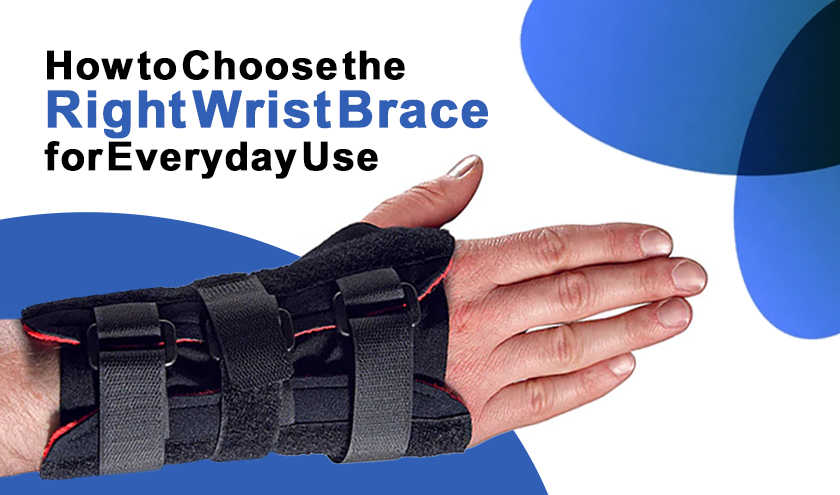
How to Choose the Right Wrist Brace for Everyday Use

Pain in the wrist may be a whisper or scream. Just like any good professional typist, weight lifter or a person who has to cope with the constant pain of the arthritic, your hands are your best weapon. When they become hurt, life becomes slow. And that is where MadrexDME comes in, the process of selecting the correct support does not merely lie in picking something off the shelf but it is a matter of comprehending your own body of unique mechanics. 

We will go deep in the details of everything you need to know in choosing the right wrist support in this all-inclusive guide. Since knowing materials to the medical market place, we are here to make an informed, healthy decision. 

What to Look for in a Wrist Brace for Everyday Use 

A wrist brace is a medical intervention, not just fabric. We focus on ergonomic versatility, ensuring our gear feels like a “second skin.” By prioritizing medical standards, we provide low-profile, high-reinforcement support that promotes biological healing without being cumbersome 

Key Features of a High-Quality Wrist Brace 

A high-quality brace is defined by its ability to provide anatomical alignment. It is not supposed to restrict the circulation but should maintain the joint in place. Find strengthened stitching, ergonomic palette the metal or plastic frames, and moisture wicking linens. A good wrist Brace is able to protect the patella and therefore a wrist brace should protect the carpal tunnel. 

Why Adjustable Straps Matter for Comfort 

No two wrists are identical. Swelling can change the diameter of your arm throughout the day. This is why we emphasize adjustable straps. They can be adjusted to the level of compression, making sure that the brace is tight at the time when you are engaged in activity, but can be loosened when you are resting. 

‣ Breathable Materials: A Must-Have for All-Day Wear 

When a brace is itchy or hot, then you will not put it on. Neoprene is superb when it comes to retaining heat and healing though when it comes to daily use, perforated fabric or mesh panels should be sought after. This breathability will help avoid irritation of the skin, as well as the accumulation of bacteria, which is one of our fundamental requirements of the product.  

Lightweight vs Heavy-Duty Wrist Braces: Which Is Better? 

Choose lightweight braces for preventative care and mild RSI during office work. Opt for heavy-duty models for post-surgical recovery or severe instability to ensure maximum joint protection and mobility. This ensures your equipment matches your specific injury severity. 

How to Choose the Right Size for Your Wrist 

MadrexDME suggests that one should take accurate measurements and then choose to buy to make sure that the compression is therapeutic and not restrictive. Begin by finding your baseline; the distance around your wrist just above the bone. Using your data in comparison to the size chart in particular makes the fit perfect so that it does not slip or pinch when promoting healing. 

Measuring Your Wrist for a Perfect Fit 

Measure using an elastic tape measure. Wrap it round the very slimmest of your wrists-just below the bone of the wrist. In the event that you do not have a tape measure, with a piece of string, then measure the length of the string with a ruler. Most of our products will provide a sizing chart based on these inches or centimeters. 

Common Sizing Mistakes to Avoid 

Do not measure your medical braces according to your normal clothing size or height because bones are different. Always check hand orientation on the side specific models to have the right, anatomical fit. Do not use a large brace too tight in order to fit it, as this forms painful pressure points. 

Durability and Longevity: What to Expect from a Good Wrist Brace 

A reliable brace should last 6 to 12 months with daily use. The Velcro is usually the first thing to go. High-end options from MadrexDME use medical-grade fasteners that resist lint buildup and maintain their “stick” longer than generic pharmacy brands. Beyond the straps, the fabric integrity of a support is engineered to resist stretching out after repeated washes. This is because, in this way, the medical-grade compression that you experience on the first day will assure that it will be as efficient several months later. 

Types of Wrist Braces and Their Uses 

Support is not all created equal. Knowledge of the various Braces of the Wrist and their Applications is the key to recovery. MadrexDME has its own designs to use whether they require a rigid splint to be used at night by immobilizing or a flexible compression sleeve to wear at the gym. To choose the right style is to ensure you are targeting the right ligaments and at the same time not leaving out the mobility that your lifestyle requires. 

Different Types of Wrist Braces Explained 

We have a complete range of supports, such as the use of flexible compression sleeves to warm the arthritic and even rigid cock-up splints to relieve the carpal tunnel. We offer wrap-around braces that offer a variable stability to active lifestyles fitting all the patients with the ideal comfort and clinical immobilization balance. It does not matter whether you deal with acute injuries or chronic conditions, but the right choice of style is the ultimate key to your successful recovery. 

Rigid Wrist Braces for Maximum Support 

These feature a metal or plastic stay that completely prevents the wrist from bending, making them a rigid wrist brace for maximum support. 

  • Essential for post-cast recovery phases. 
  • Provides total immobilization for bone healing. 

Flexible Wrist Braces for Everyday Mobility 

We create bracelets, which can be adjusted to a flexible form, where the bracelet will feel like a second skin, offering a slight compression and heat retention to the tendons to alleviate them. These aids are ideal in repetitive strain injury where circulation is enhanced and at the same time full finger dexterity is available to type or perform handwork. They enable you to work and be comfortable all day by helping you stay in a natural position without the weight of a heavy splint. 

Which Wrist Brace Is Best for Specific Conditions? 

Various pathologies demand various mechanical corrections; that is, a sprain should be supplied by a brace in the form of lateral support, and the problem with nerves is concentrated on the palm. Our specialized designs help in making sure that the common hand and wrist ailments recover faster as they are designed to suit the specific symptoms. Knowing what you are diagnosed with helps you narrow down on the MedraxDME catalog to locate the brace that will focus on the specific areas of pain.  

Carpal Tunnel Syndrome: Top Wrist Brace Recommendations 

A carpal tunnel brace should include a palmar splint in order to keep the tunnel open with a 15-degree extension. Such design reduces the compression of the median nerve giving necessary relief during repeated tasks. 

Wrist Braces for Tendonitis: What to Look For? 

Select a wrap-around to apply specific compression on inflamed tendons, which will help to eliminate burning pains. This tension is adjustable and reduces inflammation on the radial or ulnar to provide day-long pain relief. 

Best Wrist Braces for Arthritis Relief 

An arthritis brace is used on the wrist and is made up of soft fabrics of neoprene to hold the natural body heat and help in calming the stiff joints. Specific compression will help in controlling the swelling of a flare, essential warmth and comfort throughout the day. 

Can You Use a Wrist Brace for Sports and Workouts? 

The athletes usually need support which can withstand the sweat and the high impact forces without limits to the grip of the given equipment. Our athletic level supports are engineered to be part of any workout process and safeguard the fragile tiny bones of the hand. Attaching a sports-specific brace with MadrexDME will make you lose any performance without giving up on the long-term joint safety. 

Wrist Braces for Weightlifting: Do You Need One? 

A weightlifting wrist brace is necessary to stabilize the joints when doing heavy overhead presses to avoid hazardous hyperextension. Such support plays a big role in minimizing the possibility of tearing of the ligaments when they are under load, and this aspect is very safe and consistent in performance. 

How Wrist Braces Help Prevent Sports Injuries 

Braces help not to stretch the ligaments above their normal breaking point by restricting the range of motion of a joint. This aid serves as a vital safety net against high-impact movement just like the Knee Brace defends the joints of a runner. 

How to Use a Wrist Brace Effectively 

High quality medical equipment crashes even when installed in the wrong way. MadrexDME is a company that values customer education to make sure that each splint brings immediate corrective benefits. Elimination of new pain points and faster recovery is achieved through proper alignment. With our fit and duration guidelines, your brace is an extension of your body either at work or rest

Step-by-Step Guide to Wearing a Wrist Brace 

To begin with, place your hand on the brace such that the splint is placed in the palm curve. Install the straps beginning in the middle to fasten the machine and reposition the top and bottom accordingly to fit the machine. Following our instructions, you may be sure that your joint is medically stabilized, without inhibiting blood flow, through the following steps: 

  • Align the metal stay: find a place that puts the rigid support in the center of your palm so that it is in a neutral position. 
  • Ensure thumb mobility: Make sure the thumb hole does not have any chafing or pinching, and can move a full range of motion. 
  • Check fabric smoothness: Make sure that the interiors are smooth to the skin to prevent an area of pressure or irritation. 
  • Final tension check: Tighten the brace so as to offer the correct tension to hold the arm and, at the same time, it should not be too tight to make the arm uncomfortable. 

How Tight Should a Wrist Brace Be? 

It must be tight to make it immobile but loose to enable a finger to pass under the strap without any discomfort. 

  • When your fingers tingle, then the brace is too tight. 
  • Tightly crept skin indentations are an indication to loosen.

Tips for Adjusting Your Wrist Brace for Maximum Support 

In case of any pinch, attempt to move the inner metal a bit; the majority of MadrexDME points can be shifted slightly in hardware. 

  • Turn the brace a bit to achieve the most suitable angle. 
  • Tighten the straps after 2hours of wearing them. 

How Long Should You Wear a Wrist Brace Each Day? 

The life span of the brace is much determined by the use of the brace whether in preventing injuries to your wrists during the exercise or in sleeping at night. In the majority of the cases, we recommend that a professional consultation should be done, though, in most situations, it is preferable to wear braces during the most painful activities to you. Over use of a brace can lead to muscle atrophy hence there is the necessity to balance between helping and motion. 

Balancing Support and Mobility: Expert Advice 

Do not wear your brace 24/7 unless you have been asked to do so by a doctor because your muscles should also remain active to support the joint. 

  • The brace is used as an instrument of high risk activities. 
  • Do light range-of-motion exercises in the absence of the brace. 

Signs You’re Wearing Your Wrist Brace Too Much 

In case you can observe that your wrist is much weaker or stiffer when the brace is taken off, you might be overusing it. 

  • There is an evident atrophy of the forearm region. 
  • Morning stiffness is augmented without the brace. 

Cleaning and Maintaining Your Wrist Brace 

Being a brace that is to be put in direct contact with the skin, it will in the end collect the sweat, oils, and even the skin cells which must also be cleaned up regularly. The maintenance of the brace is not only undertaken to ensure that it remains hygienic, but also in ensuring that the technical fabrics are not destroyed before time. A secured brace can be used twice as long as the one that is not taken care of, and your investment in MadrexDME gear will be even more profitable. 

How to Wash a Wrist Brace Without Damaging It 

Never leave the metal or plastic splints unremovable, and cold water with a very gentle detergent should be used to wash the cloth. 

  • Bleach and other harsh fabric softeners should not be used. 
  • Never put in a tumbler dry cleaner. 

Best Practices for Storing Your Wrist Brace 

Close-up all the hook-and-loop fasteners when not in use to avoid getting picked up by other fabrics, or catching unwanted lint in them. 

  • Keep in a cool dry environment not exposed to the sun. 
  • Store it in a special bag so as not to accumulate dust. 

Where to Buy the Best Wrist Braces in the USA 

Focus on clinical quality by using a reliable source such as MadrexDME. Compared to generic big-box retailers, special providers provide professional advice regarding complicated sizing and materials. A reputable equipment will guarantee you high quality warranties and customer service as well as guarantee that your medical braces will be of high quality in terms of recovery and care that it should be in order to have well-certified equipment. 

Top Online Stores for Wrist Braces 

The internet stores are also giving the benefit of home delivery and more choice of sizes and specialized design compared to the local drugstores. We offer an easy online shopping experience whereby we have given detailed product descriptions with high quality pictures to enable you to make the right choice of model. 

  • Look for stores with clear return policies. 
  • Prioritize sites that offer medical-grade brands. 
  • Check for “Verified Buyer” reviews for honesty. 

Specialty Medical Stores for High-Quality Wrist Braces 

Specialty stores like MadrexDME focus exclusively on orthopedic health, ensuring that every item in their inventory serves a clear medical purpose. 

  • Access to professional-grade equipment. 
  • Knowledgeable staff to answer technical questions. 

Benefits of Buying Wrist Braces from Local Shops 

Local stores will enable you to touch the material and check the fit on the spot, which may be beneficial to people who may have odd hand shapes. 

  • There is no waiting to ship or deliver. 
  • On-site problem solving on fit. 

How to Compare Prices and Reviews Before Buying 

Not only require the lowest price, also the most value by investigating the durability of the material employed and the standing of the seller. We offer competitive prices on premium braces which last longer than cheaper ones, which will save you in the long term. 

Finding the Perfect Wrist Brace for Your Needs 

To live a pain-free life, you will need the equipment to suit your special anatomy. We offer the necessary means of effective healing and managing pain. Our braces get the most out of long-term mobility when combined with physical therapy and ergonomics. Find a person who cares about you and your comfort in all the healing processes. 

Key Takeaways for Choosing the Best Wrist Brace 

The selection of the appropriate level of support, perfect fit, and maintenance of the brace are the most critical aspects. 

  • Find the brace that fits your unique health issue. 
  • Focus on breathable medical-grade materials. 
  • Relied on MadrexDME to deliver the goods. 

When to Consult a Doctor About Wrist Pain 

If swelling is severe, a deformity is present, and the fingers lose all sensation, then consult a doctor. 

  • Constant pain in the way of sleep. 
  • Pain which fails to improve even after two weeks of bracing. 
  • Painful, stabbing pain which runs along the arm. 

The End Note!  

To summarize, the decision on the appropriate wrist brace concerns the ways to listen to your body and help it intelligently. You can also have your wrists covered every day with the help of breathable materials, proper fit, and medical-grade design provided by us. It is not only that the right brace will lessen pain, but will also give back confidence, strength and freedom in every movement you make. 

FAQS 

Do Wrist Braces Really Work for Pain Relief? 

Yes they cause pain a lot less, and they level the joint and tension on the fragile nerves and tendons. 

Can You Sleep with a Wrist Brace On? 

Indeed, wearing a MadrexDME brace enables one to avoid curling his or her wrist, avoiding morning numbness and stiffness of the joints. 

Are Wrist Braces Covered by Insurance in the USA? 

These braces are found in most insurance plans when a doctor prescribes them as necessary Durable Medical Equipment (DME). 

How Much Should You Spend on a Good Wrist Brace? 

Medical braces with high quality would range between 25 and 60 dollars to give the brace long lasting durability and adequate anatomical support. 

What Are the Alternatives to Wrist Braces? 

Physical therapy and ergonomic changes can also be used, but braces offer the physical protection of the joint in the short term. 

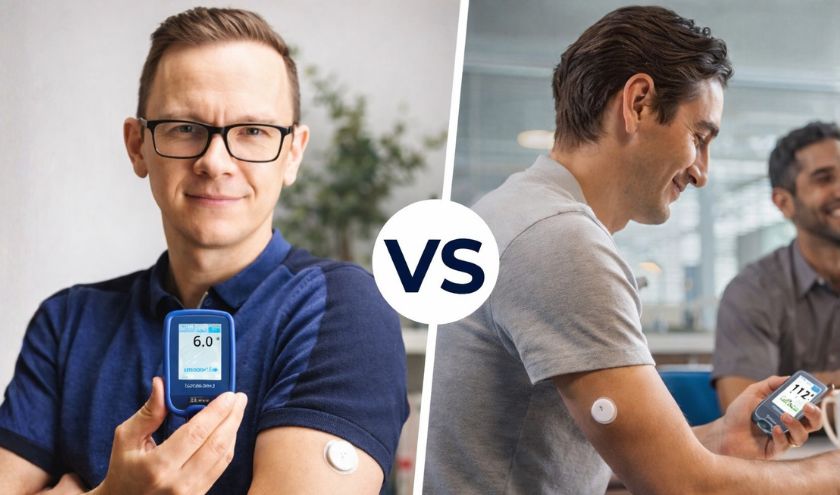
Freestyle Libre 2 vs 3: Detailed Side-by-Side Comparison

Hello, diabetes champions and data warriors, glucose guardians! When you are going through the constantly changing world of Continuous Glucose Monitoring (CGM), you have probably reached the end of the road: Freestyle Libre 2 vs 3. It is not only a question of two devices, but a decision on a partner upon your everyday health trip. We trust at MedraxDME that you will be empowered to make such a choice not only informed, but confident with crystal clear, detailed insights. Go strap in then and we are going to explore side-by-side the analysis that will not turn over a single sensor!

Overview of Freestyle Libre 2 and Freestyle Libre 3

Before we can compare these technological giants with each other we should establish the groundwork. Abbott saw a chance in the invention of the Freestyle Libre system, which was a flash glucose monitoring system that did not require constant finger pricking like the one used to manage diabetes before it. It has changed the game, and it is essential to know how it has evolved.

What Is the Freestyle Libre System?

Consider a small, wearable device that measures glucose content in the interstitial fluid a little bit under the skin and transmits the data to a gadget or your smartphone. That is the magic of Freestyle Libre. It offers real-time information, trends and history, which has revolutionized the way millions of people are dealing with their diabetes in their day-to-day lives. It is not merely a machine; it is a portal to the idiosyncratic time of your body.

Key Features of Freestyle Libre 2

The Freestyle Libre 2 was of historic advancement. It came with optional real-time glucose alarms which was the first of its kind in the Libre line, the alarm could alert of highs and lows without scanning. It kept the popular 14-day sensor wear and the fact that you need to scan something with a reader or a smart phone to view your glucose information. It was made the dependable horse of millions of users, combining low price with life-changing, essential features.

Key Features of Freestyle Libre 3

Introducing Freestyle Libre 3, smooth successor that will go even further. Abbott’s mission? Win it smaller, smarter, and smoother. The Libre 3 has the benefit of scans being unnecessary, as it continuously and automatically sends data to your phone every minute, just like CGM. It is also the smallest sensor in the world, whispering and not shouting with its notifications, it is designed to be even more integrated into your digital life.

Freestyle Libre 2 vs 3: What’s the Difference?

So, now we will go right to the point. The crucial upgrades decide whether to take the Freestyle Libre 2 or Freestyle Libre 3. This is not a small update, it is a change of design and functionality, a change of generation.

Design and Size Comparison: Freestyle Libre 2 vs 3

The sensor of the Freestyle Libre 2 is approximately two quarters deepened. It is subtle, yet you are aware of it. The Freestyle Libre 3? It is a wonder of downsizing. It is only 70 percent the size of two pennies piled up. This is a huge victory for comfort and low profile.

How Does the Size of Freestyle Libre 3 Improve User Comfort?

The smaller size of the Libre 3 will make it less prone to getting caught on the clothes, it will look almost weightless, and it will make one feel more confident when it comes to such activities as sports or sleep. It is a minor yet significant shift, which makes putting on a sensor less unnatural and less obtrusive, which is one of the factors that should be considered with regards to a long-term compliance.

Sensor Accuracy: Which One Is More Reliable?

MARD (Mean Absolute Relative Difference) measures the accuracy in CGMs. The lower the percentage the higher the accuracy.

  • Freestyle Libre 2: MARD of about 9.3 percent.
  • Freestyle Libre 3: around 7.9MARD.

The version 3 is currently the officially most accurate 14-day CGM in the market Freestyle Libre 2 vs 3 accuracy test, and allows the patient the closest possible control over their numbers, which is recommended by MedraxDME.

Connectivity and App Features: Freestyle Libre 2 vs 3

It is here that the Freestyle Libre 2 vs 3 comparison is interesting, namely, the connectivity gap.

  • Freestyle Libre 2: Alarms Bluetooth, NFC data. You have to scan in order to view your graph.
  • Freestyle Libre 3: It uses Bluetooth in all respects. Your phone is automatically updated.

Does Freestyle Libre 3 Offer Better Smartphone Integration?

Absolutely. Freestyle Libre 3 app is a real-time and continuous flow of data. The integration of this nature ensure that you will always be aware of the glucose level and will be able to be more proactive. This is the one most interesting point in the Freestyle Libre 2 vs 3 decision-making table, and it is why it ranks as the most compelling reason to upgrade to many.

Data Sharing and Insights: Which Device Is Better for Care Teams?

Both devices can provide solid data sharing with the help of the LibreView platform so that your healthcare team could monitor the trends remotely. Nevertheless, Freestyle Libre 3 offers a more detailed real-time view of your doctor or caregiver with the constant, automatic data stream. The information of the Libre 2 is also very detailed but makes use of frequent scanning to create that constant image.

Battery Life and Sensor Duration: Freestyle Libre 2 vs 3

The Freestyle Libre 2 and 3 are the same in sensor wear time the 14 days are expected to last. The only notable distinction is the role of the smartphone. Free 2, the battery of your phone is consumed only when you open the app to scan. Libre 3 can result in a slightly increased phone battery usage when the automatic data transfer is due to constant Bluetooth connection, a minor price to pay to maintain constant data.

Benefits of Upgrading to Freestyle Libre 3

So, why make the jump? The Libre 3 development is based on the shift between mastery and management.

Why Freestyle Libre 3 Is Ideal for Active Lifestyles

It is a dream to an athlete, busy parent, or anyone on the go because of the Freestyle Libre 3. It is small enough to not be obtrusive, and its automatic updates allow you to monitor your glucose during a meeting, in the middle of a workout, or when playing with children with both discretion and ease unmatched by any other product. No more pausing to scan.

Enhanced Glucose Monitoring with Freestyle Libre 3

The hourly glucose curve will be more detailed and smoother. This will give you a beautiful clear view of the instantaneous effects of food, exercise, and medication. It is a step higher than having an elaborate map of your health, to having a real-time GPS of your health.

Is Freestyle Libre 3 Worth the Upgrade?

In case seamless, automatic, and discreet monitoring experience and the highest quality accuracy is what you are after, then definitely the Libre 3 is worth it. The Libre 2 is a wonderful device, and may be more available, though again this is a high/low alert, more reliable data kind of device, which is satisfactory to many users. The MedraxDME team can assist you in setting the scales of these priorities against cost.

Cost Comparison: Freestyle Libre 2 vs 3

Numbers lets discuss numbers, as value is such a big component of the Freestyle Libre 2 vs 3 discussion.

How Much Does Freestyle Libre 2 Cost in the USA?

The out of pocket cost of the Freestyle Libre 2 sensor is typically cheaper. It is possible to range in terms of cash prices, though common to find it priced at a lower price than the Libre 3. The fact that it spent more time on the market also contributes to the fact that it is covered by most Medicare and private insurance plans with a manageable co-pay. At MedraxDME we are experts in sorting these coverage particulars on your behalf.

Freestyle Libre 3 Pricing: Is It Affordable?

The Freestyle Libre 3 is the new technology with a premium attached to it. Its out of pocket is more expensive, but this disparity is shrinking as fast as insurance formularies are updated. It is now being covered by many insurers just like the Libre 2, however, it is vital to check this out, so that MedraxDME can stay updated on the coverage changes on a daily basis so that our clients can be offered the best possible price.

Insurance Coverage for Freestyle Libre Devices

There is a high level of individualization of coverage. Both Libre systems are covered by most of the major plans and by Medicare Part B (provided that you meet the requirements). The trick here is to have a committed supplier of DME such as MedraxDME. We take care of the preliminary clearances, insurance checks, and documentation making a complicated system a straightforward one to you. This is a very valuable contribution to making the decision between Freestyle Libre 2 and 3.

User Reviews and Experiences

In addition to specifications, the Freestyle Libre 2 vs 3 decision can be clarified by real-life stories.

What Do Users Say About Freestyle Libre 2?

Its reliability and game changing quality of its alarms are highly rated by the long time users. General feelings: “It helped me stop pricking my fingers all the time and the notifications make me feel safe when my child is at home. Some mention that the scanning requirement can be forgotten during a busy day.

Freestyle Libre 3 Reviews: Real-Life Feedback

The hype surrounding Libre 3 revolves around the fact that it is set and forgotten. The users are ecstatic: I can actually feel normal again, it is so small! and It is mind-blowing to see my glucose update fully every minute on my watch. The best feature always mentioned is the automatic data transfer.

Common Complaints and Issues: Freestyle Libre 2 vs 3

No device is perfect. On Libre 2, the primary complaints include the necessity of scanning and some hiccups in connection. In the case of Libre 3, patients have occasionally complained about the Freestyle Libre 3 app learning curve or occasional Bluetooth disconnects. The two also have infrequent sensor adhesion problems or mistakes, which can be troubleshooted and replaced using MedraxDME according to the instructions.

Freestyle Libre 2 vs 3: Which One Should You Choose?

The ideal one rests on the lifestyle, comfort with technology, and health aspirations. Let’s break it down.

Best for Beginners: Freestyle Libre 2 or 3?

The Freestyle Libre 2 can be a great, a little less intimidating introduction to sensor-based monitoring to a person who is new to it. The scan-based interaction develops a conscious practice of monitoring glucose. Nevertheless, a tech-conscious novice would love the mere simplicity of the automatic Freestyle Libre 3.

Freestyle Libre 2 vs 3 for Senior Citizens

The major ones are comfort and simplicity. The Freestyle Libre 2 that includes a dedicated reader (they do not need a smartphone) may be the best one that can be offered to people who are not as tech-savvy. Nevertheless, in the case of smartphone-savvy seniors with a support system, the automatic alerts and sharing of the Freestyle Libre 3 are safer and more effective in monitoring their safety. The specialists at MedraxDME usually speak to families about such a scenario.

The End Note!

The comparison between Freestyle Libre 2 and 3 shows two outstanding diabetes management tools. The trusted and trusted Libre 2 and Libre 3 new features respectively are the ones with necessary alerts and sleek, endless, real-time monitoring. The correct option would depend on your preferences and lifestyle. At MedraxDME, we act as a provider of devices, the logistics of insurance, and help you on all the steps on the way to easier and more confident care.

FAQs

Can You Switch from Freestyle Libre 2 to Freestyle Libre 3?

Yes, with a new prescription. This transition and updates of insurance can be handled easily by your provider and your MedraxDME.

Are Freestyle Libre 2 and 3 Sensors Interchangeable?

No. These sensors and the respective apps are completely different and non-cross-compatible systems and software.

How Accurate Are Freestyle Libre Devices Compared to Fingerstick Tests?

Very precise in trends, but verify using a fingerstick when responding to an urgent, fast changing glucose event to be on the safe side.

Is Freestyle Libre 3 Available in the USA?

Yes. The Freestyle Libre 3 has been approved by FDA and is mass-marketed in pharmacies or even through other suppliers such as MedraxDME throughout the country.

Which Device Is Better for Advanced Users?

The Freestyle Libre 3 suits advanced users best, offering detailed, real-time data for nuanced pattern management and precise control.

Add to cart