Balance, mobility, and confidence are subject to major impact as a result of knee instability. Even exercises as simple as walking, climbing stairs, or rising, which seem to be a chair, could be risky, painful or unpredictable. A Hinged Knee Brace is a structured aid that offers stability to achieve the weakened ligaments with a natural movement controlled. We lead the patients, caregivers and providers to choose braces that fulfill the medical guidance, comfort requirements and lifestyle demands at Madrex DME. With proper instructions, the patients will be prepared to and capable of regaining their freedom, confidence, and mobility without the threat of injuries in their daily life and after the surgical rehabilitation.
How a Hinged Knee Brace Supports Your Knee
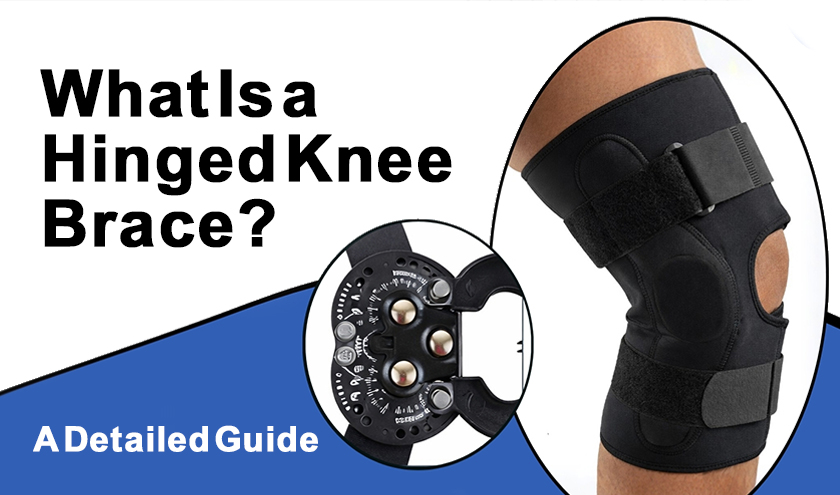
It is an orthopedic gadget that is very well constructed and it helps to stabilize the knee joint with mechanical hinges. These braces regulate the side to side movement, but leave forward and backward bending. They offer organized assistance to safe movement by eliminating the strain on ligaments, protecting recovering tissues, and adverse injury. Patients are usually empowered to report that they have more confidence in doing daily routine tasks like walking, climbing the stairs or mild exercising.
The MadrexDME makes sure that each brace is fitted correctly with regards to the condition of the patient, his lifestyle, and what the physician recommends.
How Hinged Knee Braces Work
Hinged braces are designed to regulate the side movement with strong side hinges and an adjustable strap to hold the device on the leg. They are particularly useful when it comes to ACL, MCL, or meniscus injuries and take the strain off the healing ligaments. Patients can be able to move safely again by being directed and their joints are not affected in the process of regaining mobility. Heavy usage in the course of rehabilitation facilitates systematic healing and lowers the chances of re-injury to a considerable degree.
Key Components of a Hinged Knee Brace
The majority of hinged braces are a combination of sturdy and adjustable straps, and breathable sleeves to ensure maximum comfort and adjustability. Such models as the Thermoskin® Hinged Knee Brace ROM have range-of-motion leg adjustments to regulate bending during recovery. The features provide patients with a feeling of stability, protection, and flexibility and increase the adherence and trust in everyday or after-surgical tasks.
Side Hinges and Their Role in Stability
Side hinges inhibit injurious lateral displacement that may either overstrain ligaments or aggravate injury. Hinged braces are used to preserve ACL, MCL and meniscus tissues by reducing side-to-side motion and allowing natural forward bending. Patients frequently report that unexpected instability or knee giving way events become much less frequent and they feel safe and more confident in their daily movements.
Straps, Sleeves, and Materials for Comfort
The brace is designed to be tightly fitted with adjustable straps that do not obstruct the circulation and breathable sleeves make the brace comfortable when worn over a long period of time. Materials are selected in a manner that causes less skin irritation and flexibility in nature to ensure that the patients can wear it during daily activities or physical rehabilitation without experiencing any kind of discomfort.
Benefits of Using a Hinged Knee Brace
Hinged knee brace can be used to not only provide structural support to a patient but also stability, safety, and confidence in those who are post-injury or surgery. These braces can assist the patients in restoring their mobility, avoiding additional injury, and feeling safe in their everyday life as they direct the movement of the knee and support it against injurious forces. Hinged braces are an effective rehabilitation and chronic knee management tool, with support, both physically and psychologically.
Key Benefits:
- Precludes sudden knee collapse Stabilizes the knee, minimizing buckling or giving way with movement or walking.
- Hinged knee brace benefits the stability during walking, up the stairs or minor exercise – Helps with the natural movement and ensures controlled protection of the activity.
- Relaxes fear of reinjury – Gives the patients an assurance that the knee is safe, making them move with more confidence.
- Enhances everyday mobility – Allows patients to safely complete everyday activities promoting a sense of autonomy and comfort.
- Offers psychological assurance – especially when it comes to being after surgery or when one is experiencing chronic instability, it helps alleviate anxiety and promotes well-being on the whole.
It provides patients with safety in movements and protects the healing tissues by supporting them both mechanically and mentally.
Types of Hinged Knee Braces
Knee injuries do not all need the same support, and the choice of the brace is critical to the recovery, comfort, and protection of the joint. Stability is achieved, reinjury is avoided and facilitates the rehabilitation process using a well-selected hinged brace. MadrexDME pays close attention to conditions of every patient, their lifestyles and medical needs so as to suggest the best and effective knee brace.
Single vs Double Hinge Brace
Single hinge braces provide moderate lateral support to mild cases of instability and thus can be applied in early-stage recovery or minor injuries to the ligaments. Braces with double hinges are more reinforced and that is of great importance especially in cases of ACL or MCL injury where rotational control is highly needed. They provide complete safeguarding when it comes to physical exercise and recovery.
Rigid Vs Soft Hinged Knee Brace
The soft braces can be described as flexible and moderately stabilizing, which enable them to be used on a daily basis and the user moves without limitation. Instead, rigid braces are the most protective in terms of structure, and are commonly used following surgery or in cases of severe ligament rupture. Rigid designs are most beneficial to the patients who require post-surgery immobilization.
Specialized Braces for Sports and Rehabilitation
Sports or dynamic braces enable movement to be controlled and keep joints stable. The VertaLoc® Dynamic Knee Brace offers lateral stability but encourages safe movement during regulated physical exercises. Extreme sportspeople and athletes have the option of getting braces that are meant to give them protection and performance, thus being able to resume their duties with confidence.
Who Should Consider a Hinged Knee Brace
Hinged knee brace is recommended in patients who have undergone surgery or have a rupture of the ligaments, chronic instability or those who have high-risk activities. MadrexDME pays special attention to the assessment of the medical condition, daily life, and other activity needs of every person so that the chosen brace could be able to support, provide stability, and confidence during the rehabilitation process as well as in day-to-day movement.
Common Knee Injuries Requiring Support
Knee injuries ACL tear, MCL tear, and meniscus injuries are common and may require structured support. Hinged knee brace restrains injurious lateral rotation, protects recovery tissues, and offers a controlled stabilization that allows patients to resume their activities safely, gain confidence in their daily activities, and assists in recovery through the gradual and useful process.
Arthritis and Chronic Instability
Out of line, uneven distribution and instability of knees can be brought about by osteoarthritis and degenerative joint disease and make any movement painful and dangerous. Straight knee posture, alleviating pain, and stability can allow the patient to move around freely without even a single fear, proceed with his or her daily chores, and can remain active during the recovery or even during long-term care.
Athletes vs Everyday Users
They are used by athletes to help them lower the chances of reinjury on training or sports. The everyday users with older adults or those who stand a lot benefit by lowering joint stress, increasing their balance and confidence in their walking. Bracing enables the two groups to be safely back to normal activity.
Tips for Gradual Rehabilitation and Safe Mobility
Injury or surgery on the knee: it should recover gradually, with a hinged knee brace on. Start by taking short walks or any other forms of light exercises by ensuring that the brace is properly positioned and ensuring that it is fixed into place. Progressively develop the strength and time span of activities, including climbing up the stairs or light exercises and note pain, swelling, or instability. Brace can help in enhancing mobility safely with the help of physically prescribed physical therapy or strengthening exercises. Your body always listens, and do not overdo it too fast, regulated progress will save the healing ligaments and joints.
Benefits of Using a Hinged Knee Brace
Hinged knee braces have much more than mere support. They improve the firmness of joints, improve mobility, reduce pain and protect the weak or recovering ligaments. These braces help patients be more confident, free and generally experience high quality of life by providing structured reinforcement in carrying out day to day activities or in rehabilitation.
1. Improved Stability and Protection
It also have side hinges to restrict the amount of harmful sideways motion, which prevents the instability of it in unexpected twists and lessens the chance of falls or refrain. This structural support also allows the patients to be assisted to stand, climb the staircases, and to undergo simple body work without any danger to the patient, which enhances the confidence, enhances the balance as well as provides the patient with stable and controlled movement in daily activities.
2. Pain Relief and Injury Prevention
The hinged braces help alleviate the pain and discomfort, as well, by putting the knee in the right posture, the damaged ligaments are not in such a way of burdening it, and the possibility of another injury is minimized. This assistance allows the patients to move freely and daringly and perform the everyday activities at controlled movement, leading to enhanced stability and promoting general comfort in the course of rehabilitation and everyday life.
3. Post-Surgery Recovery Support
Motion after surgery on the knee is essential and should be controlled. The knee braces on a hinge allow support of the healing tissues and at the same time allow bending in stages and safely to guide the structured rehabilitation. As an example, the Hinged Knee Brace ROM Thermoskin has an incremental range-of-motion that provides post-surgical patients the opportunity to regain their mobility safely, reduce the strains on their ligaments, and recover confidently and securely.
4. Daily Life and Confidence
Surprisingly, patients who provide hinged knee braces in their day-to-day activities have a lesser level of anxiety, enhanced balance, and have more confidence to move. Comfortland® Hinged Knee Brace provides both long-lasting and reliable support which makes it suitable when used on a daily basis as well as during recovery after an injury or when the ligament is compromised to ensure that the patient can move safely without damaging the healing process or the ligament itself.
Hinged Knee Brace vs Knee Sleeve
Knee sleeves are mild in compression, warm, and comfortable, but lack mechanical stability. On the contrary, shield the ligaments, limit the damaging lateral movement and give a guided support. This provides safer and controlled mobility in the rehabilitation, day to day activities or post injury recovery and assists the patient to be confident again and minimizes the chances of re-injury.
Support Level Comparison
Knee sleeves provide slight support, which is mainly to provide comfort and mild swelling, but also provide little protection. They offer moderate or complete stabilization, which is necessary in case of ligament tears, post-operative rehabilitation, or chronic knee instability. They guarantee a regulated movement, protect tissues in the healing process, and assist patients with confidence and safety regaining their mobility.
Pros and Cons
- Knee sleeves are non-bulky and inconspicuous, and they provide little support to the structure.
- The knee braces are more protective, and they contain harmful movement, but they also can be a bit more bulky, which is offered by hinged knee braces.
The fitting considerations will ensure that the individual is comfortable, stable and safe as much as possible so that during rehabilitation, or during his day to day activities, or in the aftermath of the injury, the patient would feel comfortable enough to move freely.
Selecting the Right Hinged Knee Brace
In choosing a hinged knee brace, consider the amount of hinge strength, adjustability, comfort, and the amount of support recommended by a medical professional. The brace must comply with clinical requirements, but must be able to fit the daily lifestyle requirements, ensure that it is being used properly as well as allowing the patient to comply, have good stabilization, and be able to move safely and confidently during the recovery stages or otherwise, as long as the brace is on.
Key Factors to Consider
It must fit correctly, should fit at the pivot point of the knee and should not restrict circulation. Proper sizing eliminates slippage or movement during movement, stabilization, and good protection of the ligaments and also enables the patients to carry out daily activities or physical exercises safely and without fear.
Proper Fit and Support Level
These should fit well at the pivotal point of the knee and it must not limit circulation. Proper sizing will make sure that there is no possibility of slipping or moving when moving, stabilize, support the ligaments and make the patients perform their daily routine or even engage in physical exercises without fear or doubt.
Signs Your Knee Brace Is Not Fitting Properly
A hinged knee brace is a brace to support the knee, cushioning healing ligaments and enhancing stability when performing everyday activities or recovering. Nevertheless, the right brace may not work or will not fit well unless it fits well. Wearing a brace that is loosely fitted, tightly fitted or lacks a proper fit may lessen its protective value, enlarge the danger of reinjury or become uncomfortable and discouraging to wear.
Listening to signals can save you time by enabling you to modify the brace or consult professional help early enough so that you do not compromise on your safety or movement. The awareness of these indicators may guarantee that patients, athletes, and ordinary users can extract the maximum out of the brace without imposing any unnecessary complications to it.
Key Signs to Watch For:
● The brace slips or shifts during movement, failing to stay in place.
● Straps dig into the skin, leaving marks or causing irritation.
● Numbness, tingling, or swelling occurs around the knee or lower leg.
● Persistent pain or discomfort while wearing the brace.
● The knee still feels unstable, or movement is restricted despite using the brace.
Examples of Specialized Braces
The Thermoskin Hinged Knee Brace ROM can be used to provide post-surgery patients with controlled, gradual movement to ensure that the healing tissues are not damaged. Also, Back Brace may also be used to offer some musculoskeletal support in order to ensure proper positioning, increase overall stability, and enable patients to safely and confidently move during rehabilitation and everyday situations.
Wearing, Fitting, and Maintenance
It should be well-fitting, which means that the circumference of thighs and calves should be properly measured. The knee joint and the side hinges should be installed in such a way that they face each other and the straps are brought to provide it with a balanced support. Proper option enhances comfort, stability and performance, which allows safe movement, protective ligaments and reliable daily or rehabilitation functionality.
Measurement and Fitting Guide
Thigh and calf circumference should be precisely measured in order to fit. The side hinges are correctly aligned to the knee joint and the straps are firmly fixed which offers balanced support. Proper sizing improves comfort, stability and performance, permitting safe motion, excellent ligament protection and consistent daily or rehab use.
When and How Long to Wear
Use this with any activity that causes stress to the knee or as directed by your medical practitioner. The advised time will be determined by the extent of injury, the phase of healing and the kind of activity performed. With correct usage, you will have maximum protection, stability and safe movement in day-to-day life.
Cleaning and Care Tips
They should be kept in place by washing it lightly with soft detergent and leaving it to air dry. Care will maintain hygiene, increase durability, and maintain optimum functionality. Daily maintenance ensures the provision of consistent support, proper stabilization and protection of ligaments in the everyday activity or rehabilitation.
Safety and Precautions
Do not over-tighten, misalign or improperly position which may result in pain or poor circulation. In case of swelling, numbness, or pain, a medical professional should see him or her as soon as possible. It is important to remember that braces are also used to support the rehabilitation and protect ligaments, and that they are meant to complement and not to substitute the recommended strengthening exercises in order to achieve the best result with the specified condition.
The End Note!
In summary, Hinged Knee Brace is the solution to the structured stability, comfort, and confidence in recovery and everyday life. It is essential to fit properly to protect ligaments, minimize discomfort, and increase mobility. Knee support combined with a Back Brace will be able to meet more widespread musculoskeletal requirements. MadrexDME offers orthopedic solutions that are safe and patient centered, as well as assists the patient to get independence with confidence.
Frequently Asked Questions
What Is the Best for ACL Injury?
For ACL injuries, double hinge braces with strong lateral support are commonly recommended to improve stability and protect healing ligaments.
Can it Prevent Knee Surgery?
In some mild to moderate cases, proper bracing may delay surgery by improving stability and reducing ongoing ligament strain.
How Long Should You Wear it Each Day?
Wear duration depends on medical advice, activity level, and recovery stage, typically during movement or rehabilitation sessions.
Is it Good for Running?
Yes, a hinged knee brace can help support mild knee instability during running, but only with healthcare professional approval.
Does it Really Work?
Yes, when correctly fitted and medically recommended, they provide measurable stability, protection, and improved joint confidence